
Reviewed · TOURS
Tanbaly Gorge: Ancient Petroglyphs UNESCO Site Day Tour
Petroglyphs in the open air still feel fresh. This Tanbaly Gorge UNESCO day tour mixes a long desert-mountain drive with a guided walk through rock carvings and burial mounds that span centuries. I like how the site feels real, not staged, and how the carvings stay readable despite being outdoors for ages.
Two things I especially enjoyed: the petroglyph density in the central canyon, and the way the guides make the symbols make sense. On one trip, Nursultan handled the day with calm, careful driving and friendly explanations, while Minara added extra clarity on site.
The main drawback is physical. You’ll do about 2 km of walking and a bit of hiking between clusters, so it’s not a good match if you have low fitness or mobility limits.
In This Review
- Key highlights you’ll care about
- From Almaty to the Chu-Ili mountains: the ride that sets the mood
- The museum-reserve experience: petroglyphs, settlements, and burial grounds
- The central canyon walk: where the engravings feel most concentrated
- The 2 km walk and hiking bits: plan for comfort, not speed
- Why the guides matter so much: Nursultan, Minara, and the on-site explanations
- Price and logistics: what you’re really paying for at $146
- Who should book this tour, and who might skip it
- Should you book Tanbaly Gorge, or choose something easier?
- FAQ
- Where are you picked up, and where do you return?
- How long is the Tanbaly Gorge petroglyph tour, and how much walking is included?
- Is the tour guide available in English?
- Are meals included in the price?
- What’s included in the tour price?
- Can I cancel or pay later?
Key highlights you’ll care about
- UNESCO World Heritage site status, focused on petroglyphs and associated burial areas
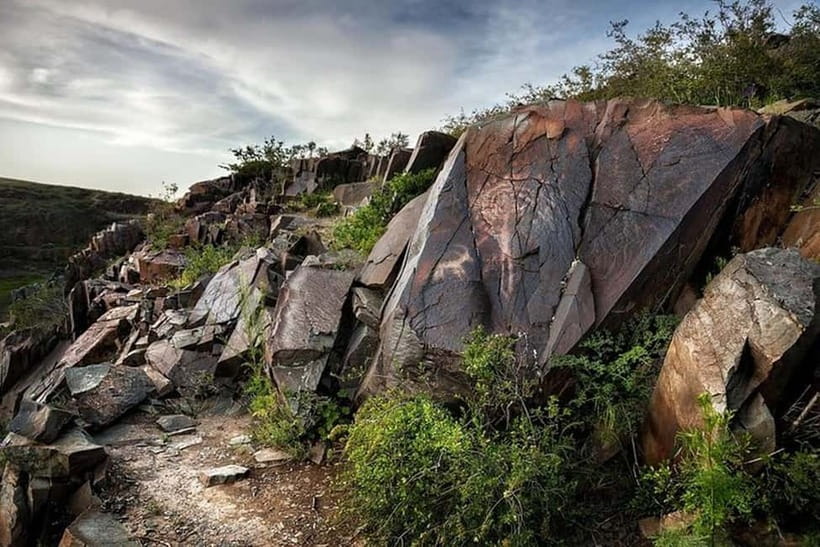
- Bronze Age through later periods carvings, dated from XIV-XIII BC to the 18th century AD
- Central canyon concentration with what are believed to be ceremonial altars
- Private group + English live guide for a more tailored pace and explanations
- Off-the-radar feel compared with more famous world heritage sites
- Practical comfort from an air-conditioned vehicle and bottled water
Still choosing? These are other tours in Almaty City that we have reviewed.
From Almaty to the Chu-Ili mountains: the ride that sets the mood
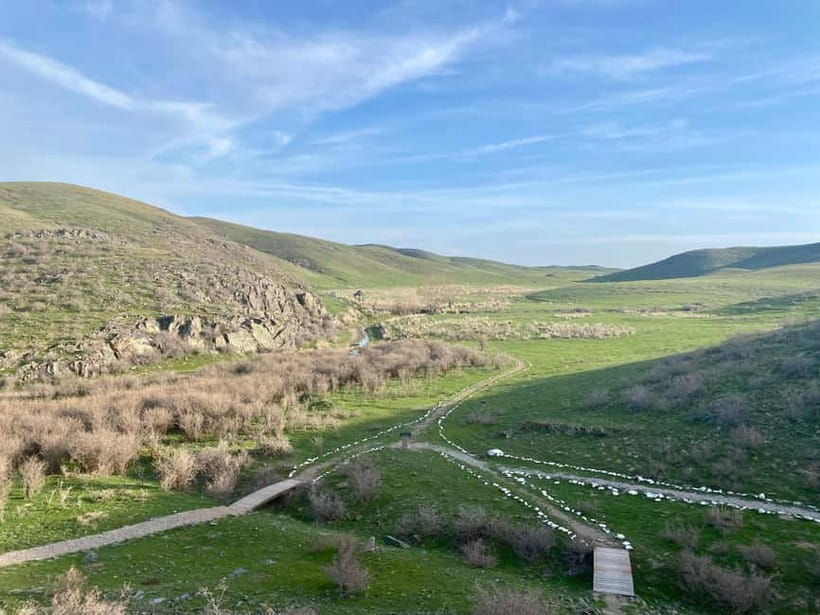
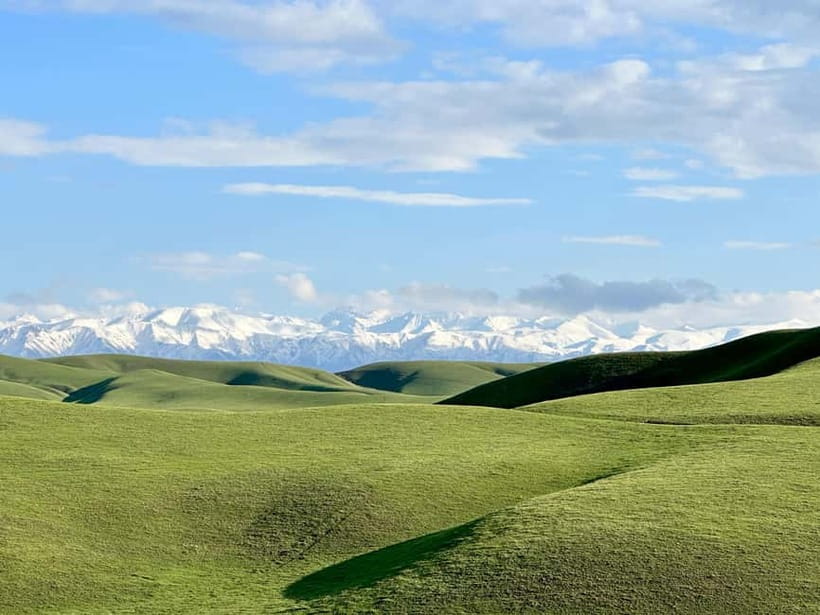
Your day starts with a morning pickup from Almaty, then you head toward Tanbaly Gorge by air-conditioned vehicle. The one-way drive is about 2.5 hours, so this is very much a “morning out, afternoon back” experience. Expect long desert and mountain views through the arid Chu-Ili mountains, and use the ride to mentally switch from city pace to field pace.
This kind of distance is part of why the place feels special. Even though Tanbaly Gorge is a major archaeological site, it doesn’t come with the same tour-bus energy as more mainstream attractions. You get time for the day to unfold slowly, and that makes the carvings easier to appreciate instead of rushing past them.
I also appreciate that the transportation is handled for you. You’re not figuring out roads, timing, or parking in a remote area, which matters when you’re spending most of your energy on the walk itself. And based on how guides run the day, the driving tends to be careful, not frantic, which helps on a long route.
The museum-reserve experience: petroglyphs, settlements, and burial grounds
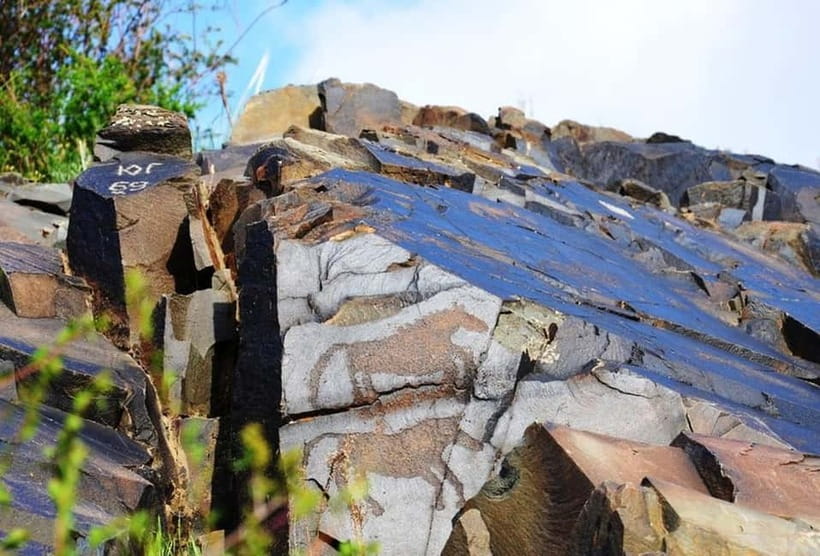
Once you arrive, the day centers on the museum-reserve, an archaeological complex designed for understanding the site as a whole, not just individual rocks. The carvings at Tanbaly Gorge are spread across multiple areas, and the reserve links the art to settlements and burial grounds. That context matters because it turns what could be “cool drawings on stone” into evidence of how pastoral communities lived, organized themselves, and held rituals.
The dates are one of the big reasons this site is so compelling. The petroglyphs cover a wide span, described from XIV-XIII BC through the 18th century AD. In plain terms, you’re not looking at one single moment in time. You’re walking through layered memory, where later groups reused meaningful places and kept leaving their mark.
What I love here is the variety of what the carvings represent, at least as interpreted during the guided portion. The site reflects themes tied to husbandry, social organization, and rituals of pastoral peoples. Even if you don’t read every symbol like an expert, the guide’s explanations help you connect the dots between human routine, belief, and what gets carved into stone.
There’s also a practical payoff. A reserve format usually means you’ll spend your time with interpretation rather than just wandering. Your guide can point out where to look, how to read the stone surfaces, and why certain clusters feel more important than others.
The central canyon walk: where the engravings feel most concentrated
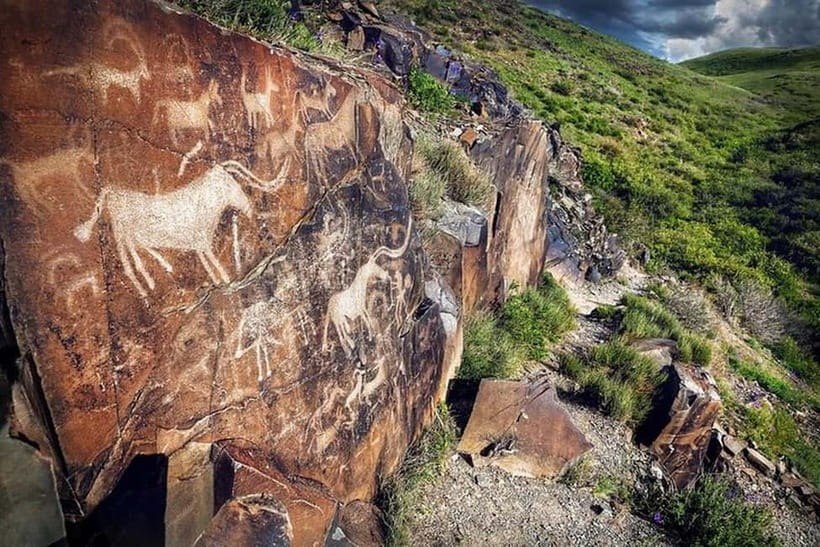
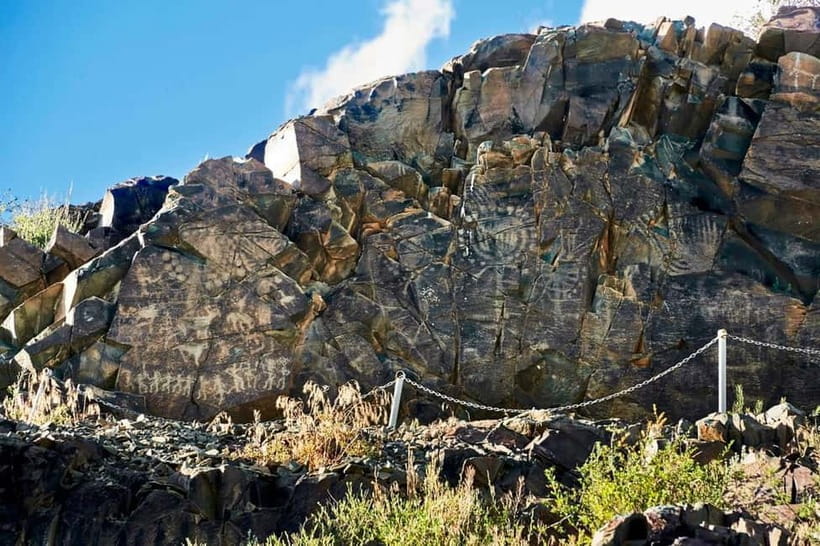
After the initial reserve overview, you’ll move into the central canyon, where the site’s most dense concentration of engravings sits. This is the part that can feel almost “quietly intense.” When carvings are close together, you stop treating them as isolated images. You start seeing them as a record of repeated visits to meaningful spots.
Within this area, there are also elements believed to be altars, which suggests these places were used for ceremonial or sacrificial offerings. I find that idea changes how you look at the carvings. You’re not just scanning for animals or shapes. You’re also thinking about function, space, and intention: where people gathered, how they honored something larger than daily life, and why a canyon would matter.
The guide helps you keep your focus. Without interpretation, it’s easy to get “picture collecting” brain and miss the structure. With a good English guide, you’ll usually get a clearer sense of what clusters mean and what patterns repeat across time.
And because the gorge is in the open air, you’re also dealing with natural light and stone textures. That makes wearing the right footwear more important than you might expect, especially if the ground is uneven where paths connect carving zones.
The 2 km walk and hiking bits: plan for comfort, not speed
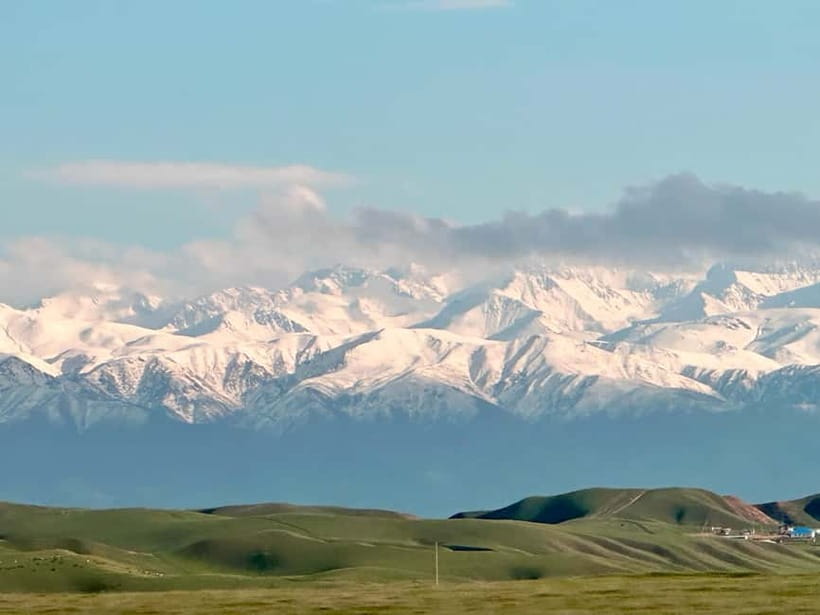
The tour includes around 2 km walking plus some hiking between petroglyph groupings. That doesn’t sound huge on paper, but in reality it can feel more tiring because you’re walking on a site that’s meant for archaeology, not for a smooth museum floor. Your pace will likely be slower because you’ll stop often to look and listen.
This is why comfortable shoes is the only “bring” item listed, and honestly, it’s the right one. Wear something with grip, and avoid shoes that are fine on flat pavement but struggle on dirt or rocky footing. If you’re someone who takes long walks comfortably, you should be okay. If you get winded easily, treat this as an active day.
The private format helps too. A private group tour usually means you don’t feel rushed by a larger crowd schedule. You can ask questions when you genuinely want clarity, and the guide can adjust where you linger based on your energy.
It also helps to go in with realistic expectations about how much standing and looking there will be. You’re not just taking a quick photo. You’re viewing carvings in a way that benefits from time, patience, and a bit of hiking between stops.
Why the guides matter so much: Nursultan, Minara, and the on-site explanations
This tour’s strongest reviews circle around people, not just rocks. Guides are friendly, professional, and ready with clear explanations, and that turns the visit into something you’ll actually remember.
I especially like the examples from the guide team. Nursultan comes up again and again for being careful, personable, and fluent in English, and for adding context that goes beyond the petroglyphs. Minara also appears in the guide credits with a professional, approachable style that makes the day feel organized and easy to follow.
One smart touch is that the explanations don’t stay abstract. Instead of only listing facts, the guide helps you see how pastoral peoples might have carved meaning into specific canyon areas. That’s the difference between seeing carvings and understanding why they cluster where they do.
You may also receive added interpretation once you’re at the reserve area, which is what many people value when a site is complex. Having an English-speaking guide who can translate and a specialist who can anchor the meanings makes a big difference for non-experts.
Small hospitality details can also stick with you. In at least one case, the day included a final cup of tea, which feels like a gentle cultural pause at the end of a long drive.
Price and logistics: what you’re really paying for at $146
At $146 per person for an 8-hour private day tour, you’re not just paying for access to a historic site. You’re paying for the whole machine: long-distance transport from Almaty, an English-speaking guide for the experience, and the reserve entry and on-site support.
The included items are what make the price feel more reasonable than it first appears:
- Air-conditioned vehicle
- Entrance tickets
- Guided excursion at the Tanbaly
- Professional guide service
- Bottled water
Because meals are not included, you’ll want to plan your own lunch or light snacks ahead of time. That’s the one “hidden” factor to keep in mind, since you’ll be out for most of the day. Still, for a remote UNESCO site where DIY navigation would be awkward, the bundled guiding and transport usually represent real value.
The other factor is time. The day includes a long one-way drive of about 2.5 hours, so you’re buying back convenience and not adding extra hassle to your schedule. When you combine that with the private group format, the total experience cost becomes easier to justify.
If you’re comparing alternatives, this is the tour you choose when you want a guided, structured visit to a dense archaeological site, not a casual drive-by.
Who should book this tour, and who might skip it
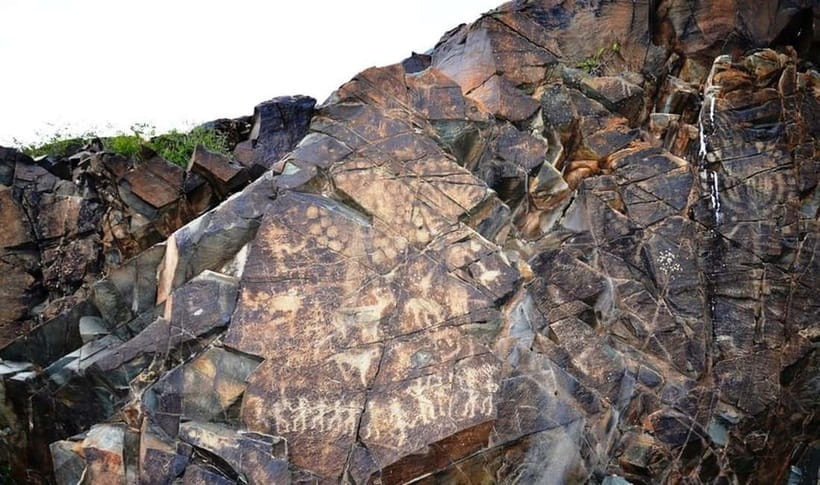
This is a great match if you want a UNESCO petroglyph site that still feels off the beaten track. You get the sense that the place is meaningful, and the guided approach helps you understand why the carvings are so dense and why the canyon matters.
It also suits you if you enjoy learning on the spot. The best part is not just the “wow factor” of seeing old carvings in good condition outdoors, it’s the way you can connect those images to themes like ritual and social life.
On the other hand, skip it if you have limited mobility. The tour is specifically marked as not suitable for people with mobility impairments or wheelchair users, and it also isn’t intended for people over 75 or those with low fitness. Also, if you don’t like walking on uneven ground and stopping repeatedly, the day will feel more work than reward.
If you’re traveling with a group and can’t get everyone to agree on a faster, easier itinerary, a private group can be a bonus. You’re not forced into a one-size-fits-all pace.
Should you book Tanbaly Gorge, or choose something easier?
Book it if you want an experience that feels genuinely archaeological, not just scenic. The carvings’ range from XIV-XIII BC to the 18th century AD gives you a sense of continuity, and the central canyon density is the kind of thing that sticks in your memory.
Also book it if you care about explanation. The guide quality is a major part of the value here, especially for first-time visitors to Kazakhstan’s petroglyph culture.
Skip it if your priority is a low-effort outing with minimal walking. The tour includes about 2 km of walking plus hiking between petroglyph clusters, and that’s not easily avoided.
If you’re the kind of person who enjoys careful viewing, learning how to read a site, and appreciating where people once gathered for ceremony, Tanbaly Gorge is one of those rare trips that just feels worth the drive.
FAQ
Where are you picked up, and where do you return?
You’re picked up from your location in Almaty and you return to Almaty after the tour.
How long is the Tanbaly Gorge petroglyph tour, and how much walking is included?
The total duration is 8 hours. The tour includes around 2 km of walking, plus some hiking between petroglyph sites.
Is the tour guide available in English?
Yes, the tour includes a live guide in English.
Are meals included in the price?
No. Meals are not included, so you’ll need to plan your own food for the day.
What’s included in the tour price?
The price includes a guided excursion at Tanbaly, professional guide service, an air-conditioned vehicle, entrance tickets, and bottled water.
Can I cancel or pay later?
Yes. There’s free cancellation up to 24 hours in advance for a full refund, and you can use reserve now, pay later to keep your plans flexible.
More Reviewed Tours Around Almaty City
- Almaty: Kolsai Kaindy Lakes & Charyn Canyons 2-Day Tour★ 4.8 · 432 reviews
- Almaty: Kolsai & Kaindy Lakes with Charyn Canyon Day Tour★ 4.8 · 198 reviews
- Almaty: 2-Day Tour to Kolsai-Kaindy Lakes and Charyn Canyon★ 4.5 · 196 reviews
- Almaty: City tour and Medeu, Shymbulak and Kok-Tobe★ 4.7 · 163 reviews
- Almaty: Lake Issyk with Turgen Waterfall Day Tour★ 4.8 · 127 reviews
- Almaty City: Big Almaty Lake Roundtrip Transfer and Tour★ 4.8 · 110 reviews
What we reviewed in Almaty City most recently

Tours, every option.
 ★ 5.0Kolsai, Kaindy Lakes and Charyn Canyon Small-Group TourFrom $58642 reviews
 ★ 5.0Kolsai Kaindy Lakes with Charyn Canyons 2-day tourFrom $130392 reviews
 ★ 5.0Kolsai Kaindy Lakes with Charyn Canyons Day Tour (lunch included)From $57292 reviews
 ★ 4.8Kolsai & Kaindy Lakes with Charyn Canyon Day TourFrom $57198 reviews
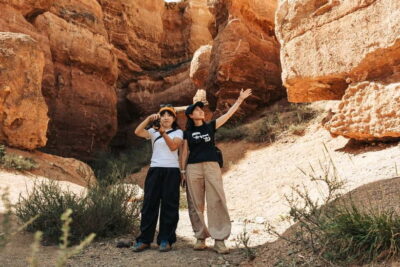 ★ 4.52-Day Tour to Kolsai-Kaindy Lakes and Charyn CanyonFrom $105196 reviews
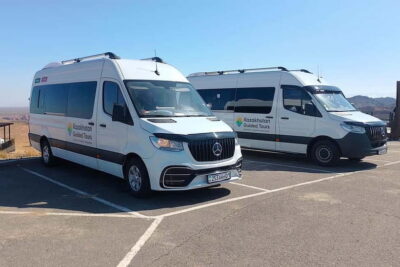 ★ 4.8Lake Issyk with Turgen Waterfall Day TourFrom $32127 reviews
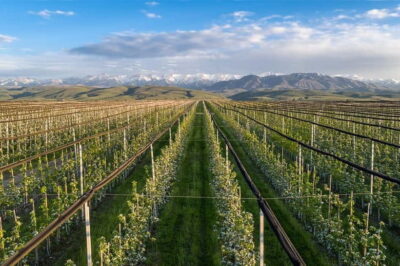 ★ 4.8Big Almaty Lake Roundtrip Transfer and TourFrom $69110 reviews
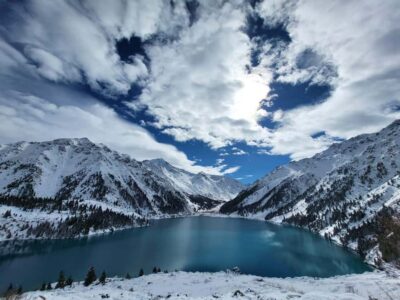 ★ 4.3Big Almaty Lake Tour with Optional HikeFrom $69109 reviews