
Reviewed · ASTANA TOURS AND DAY TRIPS
Astana: Old City Tour, Imperialistic and Soviet Architecture
Old Astana has answers hidden in concrete.
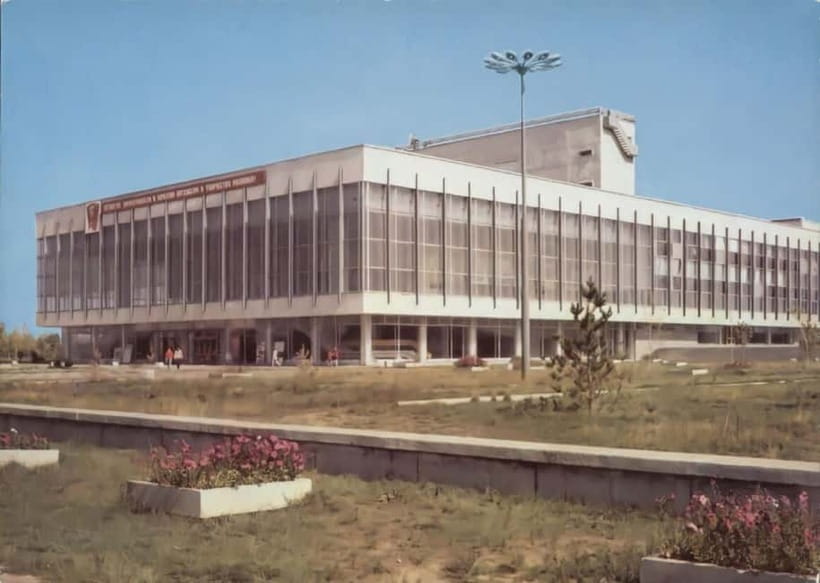
This 4-hour experience is built around the remnants of Astana’s socialist past, with plenty of time for street-level looking, photo stops, and short visits where public art does the talking. You’ll move through historic neighborhoods and watch Soviet-era details shift from ideology on the wall to everyday life on the street.
I especially like two things: Damir’s storytelling and the way he uses real-life anecdotes to make Soviet-era mosaics, murals, and sculptures feel human, not just political. You’ll also appreciate the lesser-known stops that go beyond the most obvious viewpoints, so the tour can feel like you are getting the city’s underside, not a postcard route.
One consideration: the pacing is photo-stop heavy, and museum-style time is limited. If you want long indoor exhibits and a lot of sitting down, you may feel the 4 hours goes quickly.
In This Review
- Quick Hits From the Old Astana Tour
- Walking Through Astana’s Soviet Layer Cake
- Price and What You Actually Get for $50
- Meet Your Guide, Damir, and Learn How to Read the City
- Getting Oriented in Nur-Sultan Before the Photos Start
- The Photo-Stop Pattern, and Why It Works for Architecture Lovers
- Soviet Mosaics, Murals, and Sculptures You Should Actually Look At
- Historic Neighborhoods and Lesser-Known Sites
- What the 4 Hours Feels Like in Real Life
- Who Should Book This Tour, and Who Might Skip It
- Practical Tips Before You Go
- Should You Book the Astana Old City Tour?
- FAQ
- How long is the Astana Old City Tour?
- What is the price per person?
- What languages are available for the live tour guide?
- Does the tour include hotel pickup and drop-off?
- Is a meal included?
- What is included besides the guide?
- What should I bring?
Quick Hits From the Old Astana Tour
- Damir’s guide style blends history with personal, story-driven context, in English and Russian
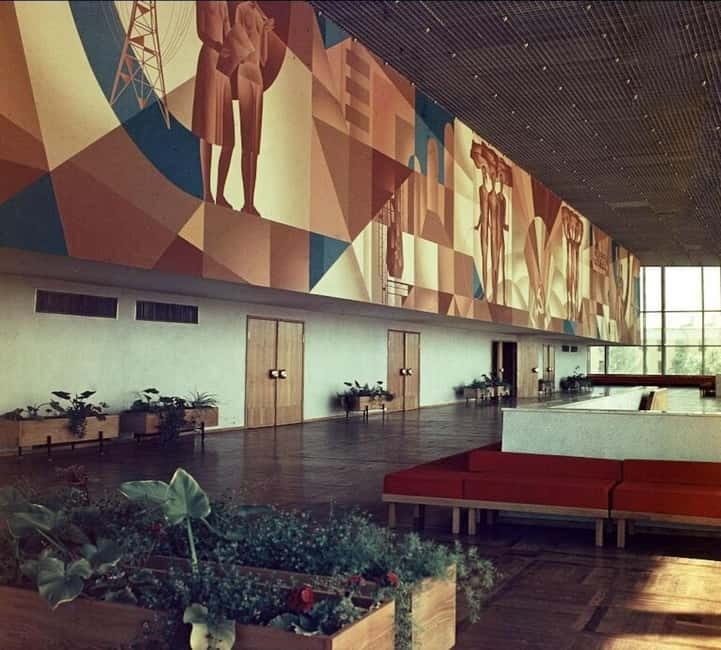
- Soviet public art comes up repeatedly, including mosaics, murals, and sculptures
- Photo-stop rhythm gives you quick moments to frame the architecture from smart angles
- Lesser-known sites help you see Astana’s transformation past the usual highlights
- Comfort on the move includes a car with Wi-Fi, air conditioning, and drinks
- Private group keeps the questions coming, without the crowd noise
Other Astana tours and day trips we have written up
Walking Through Astana’s Soviet Layer Cake
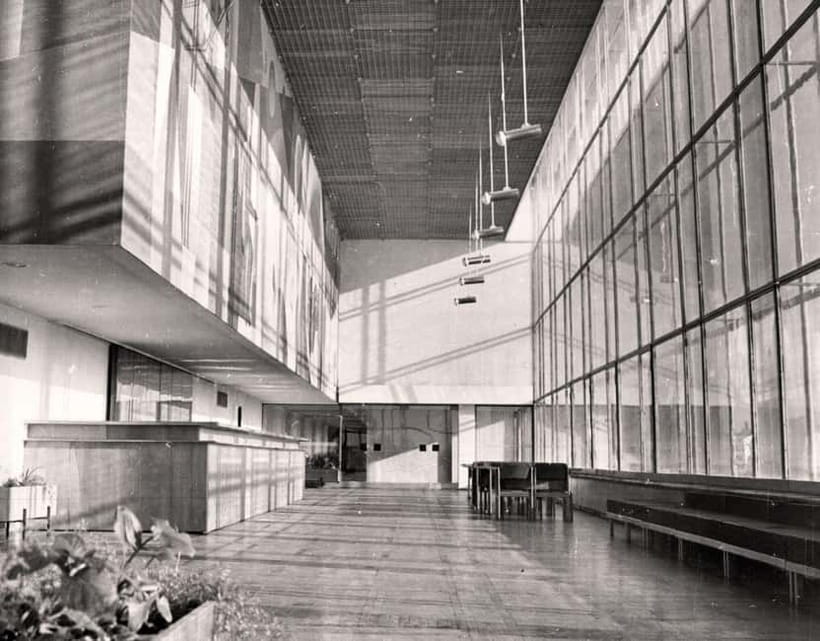
Astana’s skyline may look modern fast, but the city has older layers that are still visible if you know where to stand and what to notice. This tour focuses on the Soviet era, including the art and design language that shaped public life for decades.
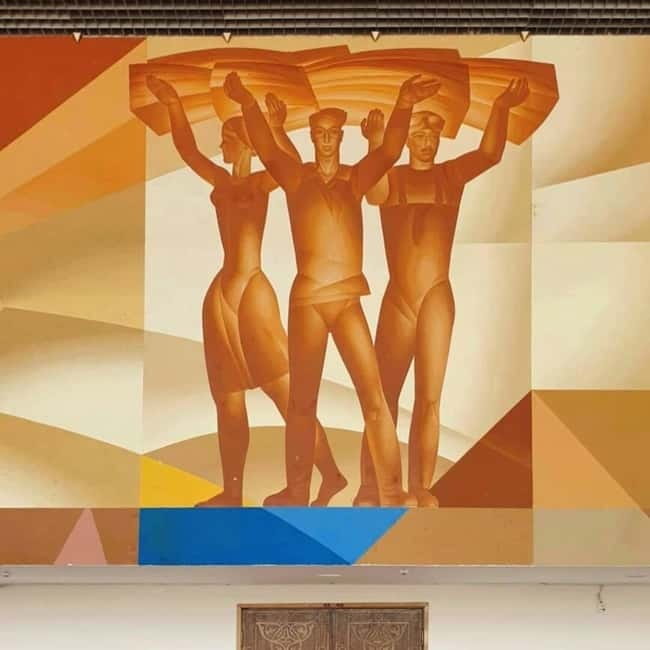
What I like is that you are not just watching buildings from far away. You are learning how to read them, especially the visual symbols in Soviet-era mosaics, murals, and sculptures. Those aren’t decoration here, they are communication.
And the tour name points to more than one architectural layer. Even if the Soviet period does most of the heavy lifting, you’ll likely see how older styles and Soviet planning ideas overlap in the streetscape.
Price and What You Actually Get for $50
At $50 per person for 4 hours, the value comes from what’s bundled in, not just the guide. You get hotel pickup and drop-off, a comfortable car, refreshing drinks, and entrance fees for museums and attractions that are part of the route.
You also get Wi-Fi on board and air conditioning, which matters in Kazakhstan when weather decides to be dramatic. The tour being a private group also helps your money stretch, because you can ask questions and get targeted explanations without waiting for a big group to move.
Meal time is not included. That’s not a deal breaker, but you should plan to eat before or after, so you are not hunting for food right when you are mentally done with history.
Meet Your Guide, Damir, and Learn How to Read the City
The biggest strength of this tour is the guide. The experience is led by Damir, and his reputation is very consistent across recent feedback: strong English, friendly delivery, and a lot of detail.
In particular, people highlight his attention to detail and the way his stories connect Soviet architecture to daily life and Kazakh culture. You are not just hearing dates. You are hearing why specific art and design choices mattered, and how they reflected the values of their time.
That also shows up in the surprise element. Several comments mention that he keeps researching and bringing in places other guides may not know. For you, that means the tour has less of the copy-paste feeling, and more of a route built from real curiosity.
Getting Oriented in Nur-Sultan Before the Photos Start
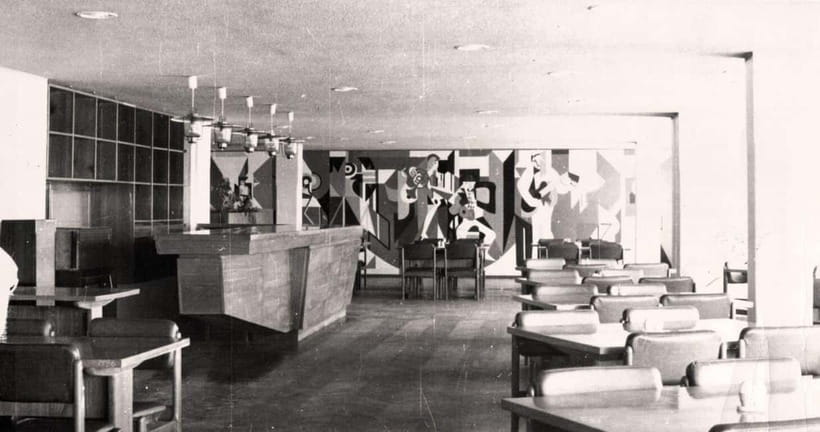
The tour begins with pickup in Nur-Sultan, and you go out by car so you can settle in before the walking and looking begins. You’ll get a guided start period around 30 minutes, which is a smart way to begin.
This first stretch matters because Soviet-era architecture can look repetitive until you learn the clues. In that early guidance, you’re likely getting a framework for what you will see later, so the mosaics and sculptures make sense rather than just looking striking.
Then comes the first wave of photo stops, short enough to keep you moving, but frequent enough to give you time to frame the buildings. If you’re the type who hates standing around waiting, this rhythm is a good fit.
The Photo-Stop Pattern, and Why It Works for Architecture Lovers
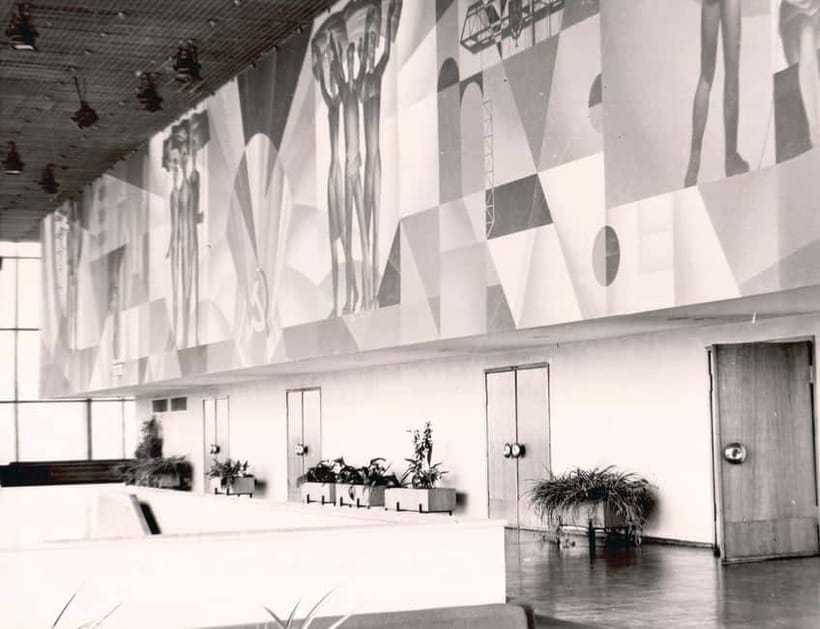
The itinerary uses a lot of photo moments, and that is not accidental. These quick stops let you compare angles, notice materials, and spot public art elements you might otherwise miss.
A typical flow is: short photo pause, then a guided segment where the guide points out what to look for. After that, another photo stop. This means you get both the view and the explanation, in manageable doses.
For your camera, this is helpful. You’re not stuck with one perspective. You’ll have multiple chances to capture the Soviet-era look from different positions, and you’ll understand why one angle shows a message in the artwork and another shows more of the surrounding architecture.
Soviet Mosaics, Murals, and Sculptures You Should Actually Look At
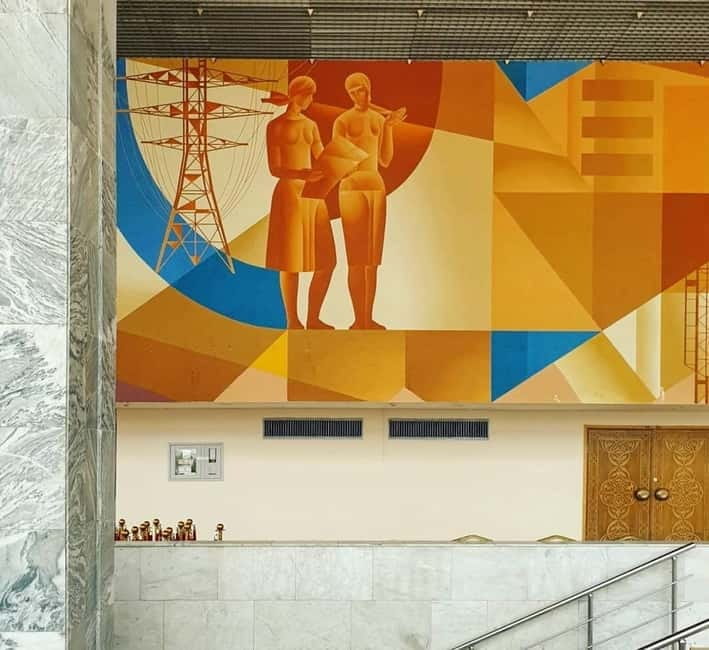
This tour’s core is Soviet-era public art, including mosaics, murals, and sculptures. The guide ties these to resilience, ideology, and culture, so you’re seeing art as a system of symbols, not just pretty walls.
Here’s how to get the most from these stops. Don’t only photograph the biggest feature. Look for smaller details in the artwork, especially faces, gestures, and recurring motifs. Those are often where the story lives.
Also pay attention to placement. Soviet-era art often signals importance through location, scale, and how it is meant to be encountered in everyday movement. The guide’s explanations help you read that logic while you stand there.
Even if you don’t care about politics, this is still a useful way to travel. You learn how societies project identity onto public space, and you see how art becomes part of people’s routines.
City tours in Astana that we have also written up
Historic Neighborhoods and Lesser-Known Sites
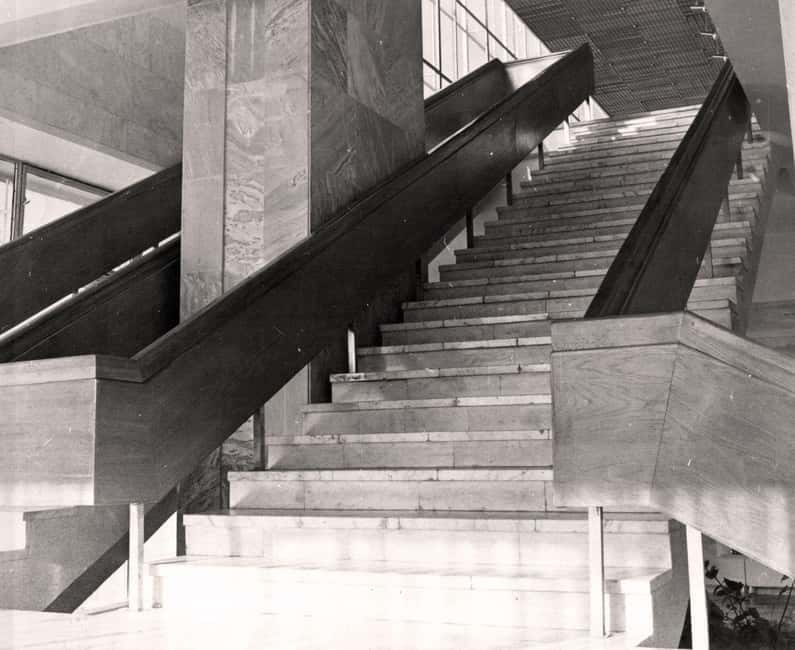
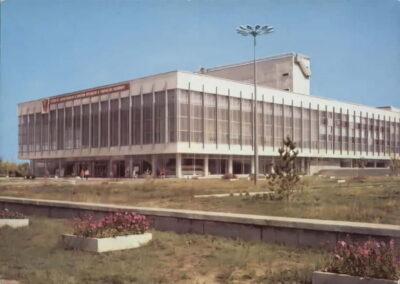
You’re not just driving past sights. The tour includes visits in historic neighborhoods that show Astana’s transformation from Soviet roots to a modern identity.
The value of these neighborhood stops is that they feel lived in. Instead of only seeing monuments, you get a sense of how architecture and design shaped movement through daily life.
You’ll also visit lesser-known sites, described as far from the typical tourist route. I like this because those are the stops that teach you to trust your own eyes. You begin to recognize patterns in the city, and you stop depending on guidebook captions.
One comment notes that the tour showed places you would not find on your own. That’s exactly what you want from a half-day city tour. You’re buying time plus direction.
What the 4 Hours Feels Like in Real Life
This is a 4-hour experience, and the itinerary mixes driving, guided narration, photo stops, and a handful of visits where you get explanations on site. The whole thing ends back in Nur-Sultan.
If you pace yourself well, the day feels efficient rather than rushed. You’ll cover enough ground to see the Soviet heritage clearly, but not so much that you spend the whole tour in transit.
You also get air conditioning on board, plus drinks, plus Wi-Fi. Those may sound like comfort extras, but in practice they help you stay sharp. You get to keep your energy for the art and the stories, instead of melting out mid-tour.
The two practical things I’d plan around are walking shoes and weather clothing. Comfortable shoes are not optional here, because you will be on your feet for the photo and visit segments.
Who Should Book This Tour, and Who Might Skip It
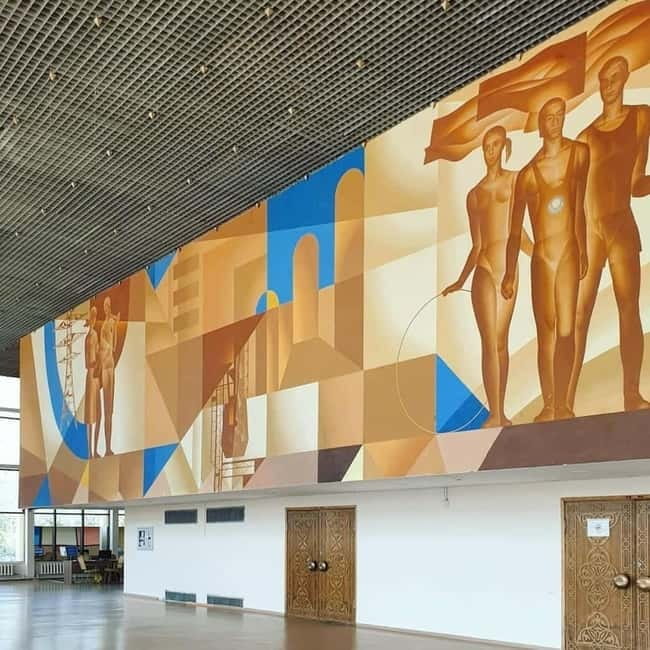
This tour is perfect if you want to understand how Astana’s Soviet past still shows up in the streets. I’d recommend it to architecture lovers, history fans, and anyone who gets annoyed by surface-level sight-seeing.
It also works well for people who want local context. The guide’s English is described as very strong, and Russian is also offered. That makes the experience accessible even if your Russian is basic.
If you are traveling with a friend who loves stories, this will likely be their favorite part of the trip too. The guide is praised for personal anecdotes, not just lectures.
On the other hand, if you want a meal included, a full-day museum schedule, or a slow sit-down tour, this format may not match your style.
Practical Tips Before You Go
A few things will make this tour smoother right away.
Wear comfortable walking shoes. Bring a camera, or at least your phone with enough storage for Soviet architecture photos. And check the weather forecast, then dress for it, because you are spending real time outdoors on photo and visit stops.
Language-wise, you can expect the guide to work in English and Russian. If you read captions better than you listen, use the guided explanations as a map, then photograph whatever the guide points to.
Finally, set your mindset to look for meaning, not just shapes. Soviet-era art often carries messaging about ideology and culture, so when you notice details, you’ll understand more than you expected to.
Should You Book the Astana Old City Tour?
I think you should book this tour if your goal is to see Astana beyond the shiny modern parts and to learn how Soviet-era design still shapes what you notice on the street. The guide, Damir, is repeatedly praised for depth, personal anecdotes, and keeping the route fresh with lesser-known places.
It may not be the right choice if you want long indoor time, a relaxed pace, or a food-focused outing. But for a focused 4 hours with transport, drinks, and guided art explanations, it feels like strong value.
If you are trying to decide between random wandering and a structured route, pick structured. You’ll come away with a sharper eye and a better sense of what you saw, not just a memory of photos.
FAQ
How long is the Astana Old City Tour?
The tour lasts 4 hours.
What is the price per person?
It costs $50 per person.
What languages are available for the live tour guide?
The guide offers live interpretation in English and Russian.
Does the tour include hotel pickup and drop-off?
Yes. Pickup and drop-off are included, and pickup can be from any point per your request.
Is a meal included?
No, a meal is not included.
What is included besides the guide?
You get a comfortable car, refreshing drinks, Wi-Fi on board, air conditioning, entrance fees, and visits to historic neighborhoods.
What should I bring?
Bring comfortable shoes and a camera, and wear weather-appropriate clothing based on the forecast.
More Reviewed Tours Around Astana
- Astana City Tour: Explore Night City with a Certified Guide★ 5.0 · 90 reviews
- Astana: Burabay National Park Tour with Lunch and Pickup★ 5.0 · 64 reviews
- Astana City Tour: Certified Guide+Winetasting+All Inclusive★ 4.8 · 14 reviews
- Private Astana City tour: Gude & Food & Winetasting★ 5.0 · 4 reviews
- Astana: 2-Day 1-Night Ranch Stay & Tour Historic Mausoleum★ 3.9 · 3 reviews
Further City Tours Reviewed in Astana
- Astana City Tour: Explore Night City with a Certified Guide★ 5.0 · 90 reviews
- Astana City Tour: Certified Guide+Winetasting+All Inclusive★ 4.8 · 14 reviews
- Private Astana City tour: Gude & Food & Winetasting★ 5.0 · 4 reviews
Further Astana Tours and Day Trips
- Astana City Tour: Explore Night City with a Certified Guide★ 5.0 · 90 reviews
- Astana: Burabay National Park Tour with Lunch and Pickup★ 5.0 · 64 reviews
- Astana City Tour: Certified Guide+Winetasting+All Inclusive★ 4.8 · 14 reviews
- Astana: Back to USSR Gulag Museum with Certified Guide★ 5.0 · 14 reviews
- Private Astana City tour: Gude & Food & Winetasting★ 5.0 · 4 reviews
- Astana: 2-Day 1-Night Ranch Stay & Tour Historic Mausoleum★ 3.9 · 3 reviews
What we reviewed in Astana most recently



Astana Tours and Day Trips, every option.
 ★ 5.0Astana City Tour: Private Full Day with Lunch and Comfort PickupFrom $14998 reviews
 ★ 5.0Astana City Tour: Explore Night City with a Certified GuideFrom $4990 reviews
 ★ 3.5Full Day (6 hours) City Tour in AstanaFrom $14922 reviews
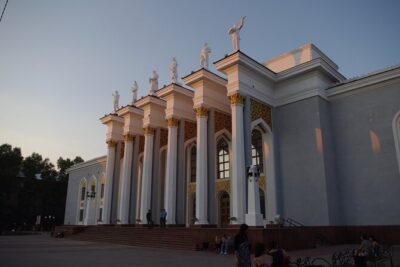 ★ 5.0KarLag and Karaganda – Private USSR history tourFrom $19921 reviews
 ★ 5.0Astana City Tour: Authentic Private Full Day with Lunch + PickupFrom $14919 reviews
 ★ 5.0Back to USSR Gulag Museum with Certified GuideFrom $16514 reviews
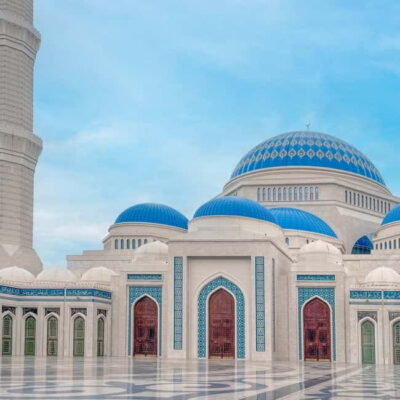 ★ 4.8Astana City Tour: Certified Guide+Winetasting+All InclusiveFrom $12914 reviews
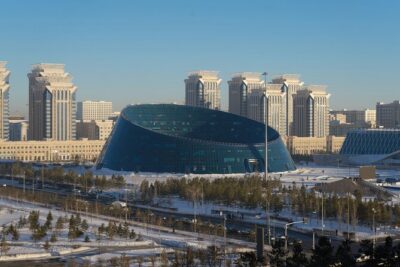 ★ 5.0Astana Unveiled: A City Comfort tour with Lunch and WinetastingFrom $17914 reviews
This tour also sits in