Reviewed · NOMADIC CULTURE AND ETHNO VILLAGES
Experience the Nomadic Lifestyle at ‘The Huns’ Ethno-village
Nomad culture comes to life fast, with horses first. At The Huns (Hunns) ethno-village near Almaty, you get a full on-site program built around Kazakh traditions, from yurt life to archery, plus hands-on food and drink like kumis (horse milk).
I especially like the professional horse-riding tricks and the chance to meet the culture through people in traditional clothing. I also love that the day is practical, you are not just watching, you can try archery, amateur horseback riding, crafts, and even join in simple national cooking steps.
One thing to consider is value. The price is $116.99 per person, and while the horse show tends to land as a strong highlight, some parts of the experience can feel more like a set program than a long, slow immersion, so manage your expectations if you want a deeply academic day.
In This Review
- Key highlights to look for
- Hunns ethno-village near Almaty: what this day feels like
- Entering Gunny Ethnic Village: where the show starts
- Yurts and the story of nomads: see it, then ask about it
- Horse riding stunts and amateur ride time: what you really get
- Craft time and local cooking: how hospitality shows up
- Kumis, bread, and tea: deciding if this is for your taste buds
- Guides and organization: why the experience can feel smooth
- Timing, comfort, and what to pack for a 6-hour mountain visit
- Price and value: is $116.99 a fair deal?
- Who this tour suits best (and who should rethink it)
- Should you book The Huns ethno-village at Gunny Ethnic Village?
- FAQ
- What is the duration of The Huns ethno-village tour?
- Where does the tour take place?
- What time does the tour start?
- Is pickup available?
- What activities are included?
- Is kumis included?
- How many people are in the maximum group?
- What if the weather is poor?
- Is there a cancellation window?
Key highlights to look for
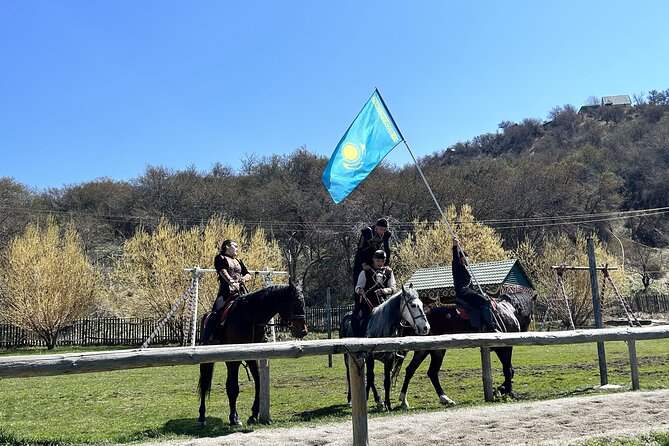
- Professional horse-riding tricks plus a big warrior-style battle performance in armor
- Yurt life explanations you can actually see inside, not just hear about
- Archery and amateur horseback riding for hands-on steppe skills
- Local crafts production where you watch the process and make or try something simple
- Kumis tasting along with other traditional drinks and bread, depending on the day’s flow
- Guide support noted by name, including Nurlan, who got praise for keeping things smooth
More ethno village and nomad culture days we have reviewed
Hunns ethno-village near Almaty: what this day feels like
This is a half-day style culture show in a mountain setting, with the main action happening at one ethno-village site. The program is designed to move, you start in the yard and quickly shift into performances, then interactive stations for skills, food, and crafts.
The big theme is nomadic life, presented through repeated rituals you can see and experience: yurt living, steppe sports like archery, and hospitality that shows up in the way food and drinks keep circulating. If you like your cultural experiences hands-on, not museum-only, this format makes sense.
It helps that the group size is capped at 100. That is big enough to keep energy up, but small enough that guides can still manage the flow and answer questions.
Entering Gunny Ethnic Village: where the show starts
Most days begin around 10:30 am, and you will likely be picked up from your hotel since pickup is offered. Once you arrive at Gunny Ethnic Village, you shift from city time to “event time,” where the yard becomes the stage.
The first major block typically revolves around horses and performance. Expect a professional horse-riding tricks show, plus a dramatic battle-style segment between warriors in armor, staged for visitors. This is where the tour earns a lot of its praise, because riders are the star of the whole setup.
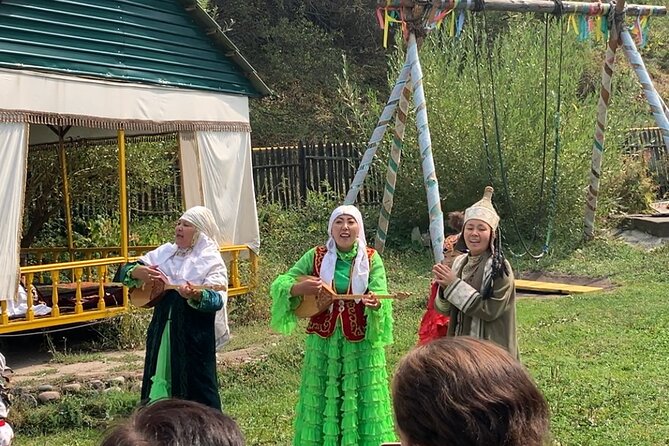
Right after that, there is usually a traditional customs performance. This is not just background music. You get to see cultural gestures, storytelling-style explanation, and the kind of ceremonial rhythm that makes steppe traditions feel real.
Yurts and the story of nomads: see it, then ask about it
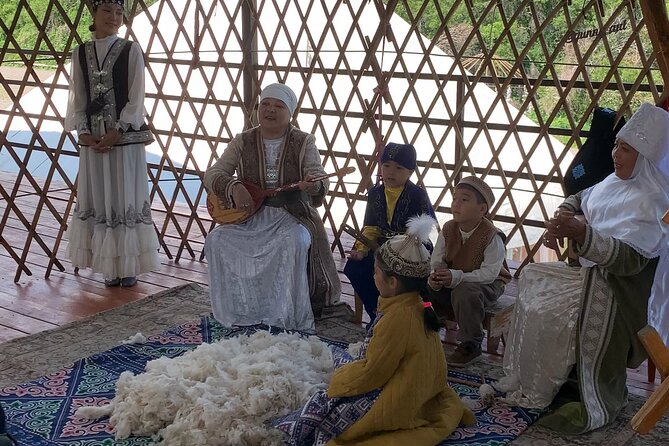
One of the most useful parts of the day is the yurt focus. You do not just hear the word yurt. You learn the story of yurt life as part of the visit, and you get a look inside, which is where the whole concept clicks.
For me, the value here is perspective. A yurt is not a random tent shape, it is a whole system tied to movement, weather, and community routines. Watching people explain the space helps you understand why steppe life works the way it does.
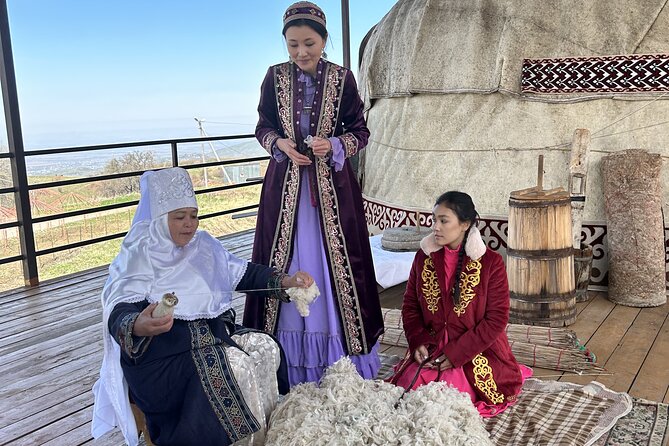
You will often also see or learn about everyday craft traditions. One review highlight was seeing women create wool, which fits the wider idea that nomad culture is hands-on labor, not just performance.
Horse riding stunts and amateur ride time: what you really get
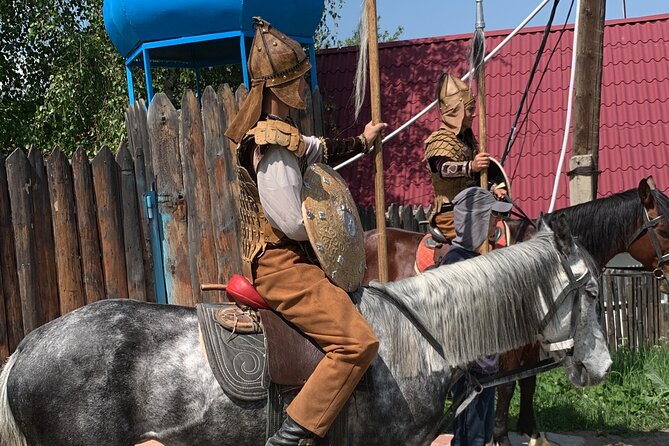
The tour mixes big staged skill with visitor participation, and that blend is a major reason people recommend it. After the professional show, you get a chance to try amateur horseback riding for everyone.
That is the moment to pay attention to your own comfort level. If you are steady on your feet and you can follow instructions, the “try it” part is usually the most satisfying. If you are nervous around animals or heights, you can still enjoy the rest of the day, but know that some activities involve getting close to working horses and being on them briefly.
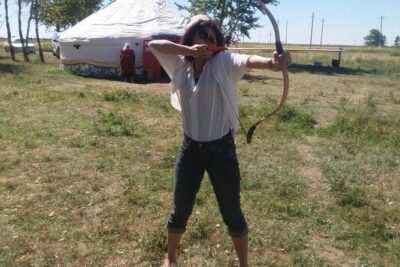
There is also archery during this main block, often paired with show elements from archers. After watching the skill, you get the chance to participate at an amateur level. Even if you do not become a steppe archer, you learn the basics of stance and focus, and that makes the culture feel practical.
Craft time and local cooking: how hospitality shows up
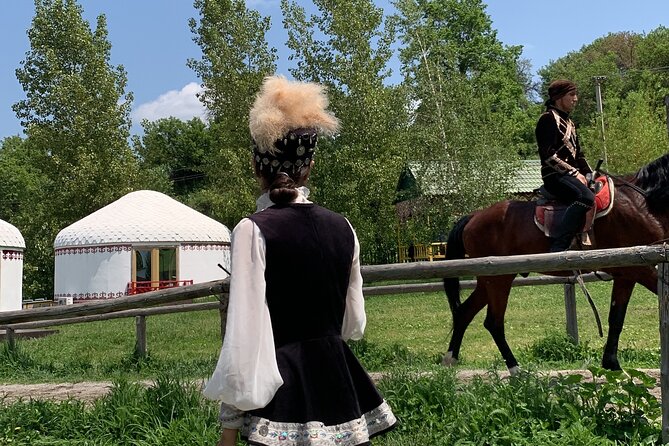
This is not only about watching riders. You also spend time on crafts and food, which is where the tour goes from “show” to “culture day.”
Crafts production usually means you will learn how local items are made, and you may be invited to try a simple step. The goal is not to leave with a masterwork. It is to understand how much craft is part of nomad life, especially for items tied to yurt living.
Then comes cooking and eating. The program includes learning how to make basic national dishes and cooking simple foods. You may also see kumis served, which is horse milk. Drinking kumis is a signature step for anyone curious about authentic flavors, and it is also one of the moments where you feel the tour is willing to go beyond staged taste tests.
People also talk about millet tea and tasting bread. Those details matter because they are the everyday rhythm of hospitality. Instead of one big meal at the end, you get small tastings and repeated drink moments.
One more food note. Not everyone rates the meal the same way. Some people felt the food was only okay. If you are a picky eater, or if you have strong opinions about dairy, assume kumis and simple national dishes are part of the deal, and plan your own comfort level.
Kumis, bread, and tea: deciding if this is for your taste buds
Kumis is the signature item that splits opinions. If you love trying foods that are new to you, this is a fun chance to meet a traditional drink on its home turf. If you dislike strong flavors or you are not comfortable with horse milk, you can treat it as a “try a small amount” moment rather than an all-in challenge.
The day also includes tea and bread tasting as part of the hospitality vibe. That balance helps, because you are not only offered one unfamiliar item. You get a chance to compare flavors, then decide what you like.
For me, the most respectful way to handle foods like kumis is to keep it curious. Take a small sip, notice the taste, and ask questions if anything is unclear. The overall tone of the event tends to be friendly and welcoming.
Guides and organization: why the experience can feel smooth
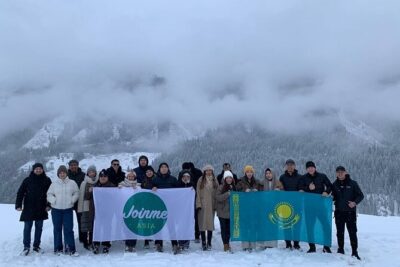
A good guide can turn a tourist show into a conversation. In this case, the guide support has been a consistent point of praise, including one named Nurlan. People credited Nurlan with making sure the group had the best options and keeping the flow organized.
That matters because the program covers a lot: performances, yurt learning, archery, amateur horseback riding, crafts, and food steps, all in about six hours. Without careful timing, it is easy for people to feel rushed or stuck in long waits. When the guide works well, you feel like you are moving with purpose.
The staff also get credit for friendliness. There are hints that tea and service can circulate table to table, which is a small detail that changes the mood. It feels more like hosting than like selling.
Timing, comfort, and what to pack for a 6-hour mountain visit
You are out for around six hours, with a start time around 10:30 am. That means you should treat it like a full activity day, not a quick stop. Expect outdoor time, performance time, and hands-on participation, often in the same stretch.
Since the setting is mountainous and weather matters for the experience, dress for conditions that can change. Plan for being outside for multiple parts of the program. Bring layers you can add or remove, and wear footwear you trust for uneven ground.
If you plan to try archery and amateur horseback riding, you will be happier in clothing that lets you move and that you feel comfortable getting slightly dusty or scuffed.
Price and value: is $116.99 a fair deal?
At $116.99 per person, this is not a bargain outing. The price only feels “worth it” if you are buying the whole package, meaning horses plus hands-on culture plus food and drink in one place.
Here is the value logic I use. If the horse show is the headline you came for, and you also want to try archery and ride a horse, the day stacks several experiences that would cost more if booked separately. Add the yurt storytelling, crafts, and meal, and the ticket starts to look like a bundled culture-and-activity program.
Why some people felt it was overpriced is straightforward. The main show is concentrated, and the rest of the day can feel like a set sequence rather than a long deep dive. If you expect a slow-paced cultural visit with minimal performance and lots of quiet time, you might think the schedule moves too quickly for the money.
My practical advice is simple: come for the horses and for hands-on try-it moments. If that matches your travel style, the day has strong odds of feeling like a good deal.
Who this tour suits best (and who should rethink it)
This works best for three types of travelers.
First, you should book if you want Kazakhstan culture shown through action. Riding, archery, crafts, and yurt life are visual and physical, so you remember it longer than a lecture.
Second, it is a strong option for animal and activity lovers who do not mind that some moments are “show-like.” The riders are consistently the centerpiece, and that matters.
Third, it fits travelers who like hospitality rituals, like tea service and shared tastings. Even if you skip kumis, the overall food experience is part of the cultural setting.
I would rethink if you are very price sensitive, or if you only want one or two elements. This tour is intentionally packed with activities, so you are paying for breadth.
Should you book The Huns ethno-village at Gunny Ethnic Village?
Book it if you want a one-day snapshot of Kazakh nomad life that includes real performances and real participation. The best-supported highlights are the horse show and the chance to try skills like archery and amateur horseback riding, plus the yurt focus and hospitality foods and drinks.
Skip it or reduce expectations if you want long, quiet cultural time or a more academic explanation with lots of free wandering. This is structured. It moves. It is meant to entertain and teach at the same time.
If the mountains are calling and you are excited by horses, yurt life, and steppe traditions you can actually try, this is a memorable Almaty-area outing.
FAQ
What is the duration of The Huns ethno-village tour?
The tour lasts about 6 hours.
Where does the tour take place?
It’s an ethno-village experience in a mountainous region near Almaty, Kazakhstan, at Gunny Ethnic Village / The Huns (Hunns) ethno-village.
What time does the tour start?
The start time is 10:30 am.
Is pickup available?
Yes, pickup is offered.
What activities are included?
You can expect a traditional customs performance, a professional horse-riding tricks show (including a battle between warriors in armor), learning about yurts, an archers show, amateur horseback riding, local crafts production, and cooking basic national dishes with kumis tasting and an outdoor lunch.
Is kumis included?
Yes, drinking kumis (horse milk) is part of the experience.
How many people are in the maximum group?
The maximum group size is 100 travelers.
What if the weather is poor?
This experience requires good weather. If it’s canceled due to poor weather, you’ll be offered a different date or a full refund.
Is there a cancellation window?
Yes. You can cancel for a full refund if you cancel up to 24 hours in advance of the experience start time.
More Ethno Village and Nomad Culture Days
- Discover Nomadic Lifestyle in ‘The Huns’ Ethno-village★ 5.0 · 25 reviews
- Big Almaty Lake with Horseback Riding Day Tour★ 5.0 · 21 reviews
- 3-Day Private Horseback Riding and Hiking Tour in Kolsay★ 5.0 · 14 reviews
- Medeu and Shymbulak + Big Almaty Lake and Falcon show (Private day-tour)★ 5.0 · 6 reviews
- Yurt Based Shymbulak 4-day ski-touring and split-boarding trip★ 5.0 · 5 reviews
- Horseback riding Tour★ 4.5 · 5 reviews
What we reviewed in Almaty most recently

Nomadic Culture and Ethno Villages, every option.
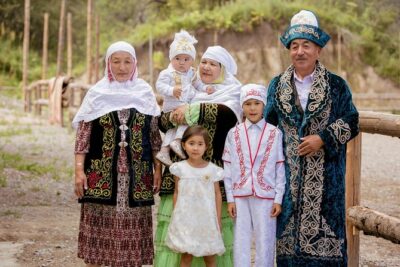 ★ 5.0Discover Nomadic Lifestyle in ‘The Huns’ Ethno-villageFrom $14725 reviews
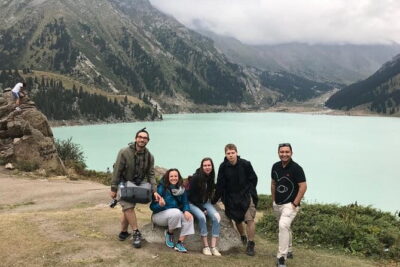 ★ 5.0Big Almaty Lake with Horseback Riding Day TourFrom $6921 reviews
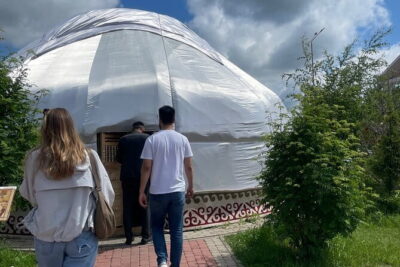 ★ 5.0Private Yurt Tour with Horses: Immerse into Kazakh CultureFrom $19916 reviews
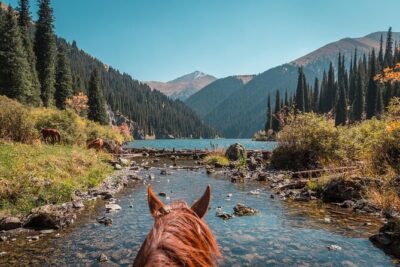 ★ 5.03-Day Private Horseback Riding and Hiking Tour in KolsayFrom $1,90014 reviews
 ★ 4.5Trip to Kazakh family of Eagle hunters in Astana (6 hours)From $29012 reviews
 ★ 4.1Falconry show and Big Almaty GorgeFrom $13010 reviews
 ★ 3.4Horseback Riding & Archery in Zaili Alatau MountainsFrom $487 reviews
 ★ 5.0Medeu and Shymbulak + Big Almaty Lake and Falcon show (Private day-tour)From $2186 reviews
This tour also sits in