
Reviewed · NOMADIC CULTURE AND ETHNO VILLAGES
Discover Nomadic Lifestyle in ‘The Huns’ Ethno-village
There is something oddly hypnotic about steppe culture. This half-day visit to The Huns Ethno-village in the Talgar gorge is a hands-on way to understand how nomadic life shaped Central Asian traditions, from yurt storytelling to horse-riding performances. I like that it feels structured but not stiff, with guides explaining what you are seeing as you go. I also like that the experience ends with an outdoor lunch and mountain views. The main drawback to keep in mind: it depends on good weather, and a rainy day can mean parts of the program get skipped or moved.
If you want a cultural day trip that does more than stand and watch, this is a strong choice. You get a classic run of activities, including archery, crafts production, and even trying simple national cooking and drinks like kumis, plus time to see how a recreated ethno-village works. The tour is private, so you are not stuck in a crowded shuffle. Just be ready for a performance-heavy schedule, and one review note worth taking seriously is that it can feel very touristed for some people, especially considering the price.
In This Review
- The Huns Ethno-village, in 5 quick hits
- How this half-day tour plays out (and why it works)
- Gunny Ethnic Village: where the story begins
- Yurt storytelling and the nomadic lifestyle theme
- Horse-riding tricks, warrior battles, and the “watch and try” mix
- Archery, crafts, and hands-on culture you can remember
- The outdoor lunch with mountain views
- Price and logistics: is $147.87 worth it?
- Who this tour suits best (and who should skip it)
- Weather, timing, and what to pack so you enjoy the day
- Guides and the details that make it feel personal
- Should you book The Huns Ethno-village?
- FAQ
- How long is The Huns Ethno-village tour?
- Where is the tour located?
- Is hotel pickup included?
- Is this tour private?
- What activities are included?
- Is admission included?
- Is lunch included?
- What is the price?
- What happens if the weather is bad?
- What is the cancellation policy?
The Huns Ethno-village, in 5 quick hits
- Talgar gorge setting: an ethno-village outing that you feel in your bones once you get outside Almaty.
- Private tour format: only your group, with hotel pickup for a calmer start.
- Performance + participation: horse tricks, a warrior battle, archery, and amateur riding for everyone.
- Food and drink included: outdoor lunch plus opportunities to taste national dishes and drinks like kumis.
- Guide matters: guides like Nur Sultan stand out for clear explanations and even photo tips.
More ethno village and nomad culture days we have reviewed
How this half-day tour plays out (and why it works)
This is a 5 to 6 hour experience on the clock, with about 4 hours of the main program time. Hotel pickup is offered, and you are taken out of the city to the Gunny Ethnic Village in the Talgar gorge area. The format is “show and tell,” but the tell part is what turns it from entertainment into understanding.
You will move through several stations rather than staying in one place all morning. That makes it easier to keep your attention, but it also means comfort and timing matter. Wear layers, plan for some walking on uneven ground, and keep an eye on the sky. When the schedule is outdoors, weather can affect what happens at the cooking and demonstration moments.
The value question comes down to this: you are paying for a full package of cultural activities plus a transport-and-guide setup. If you like interactive, staged demonstrations done by people who are invested in sharing their traditions, it can feel worth it. If you prefer quiet museums or unscripted everyday life, the show format may not match your taste.
Gunny Ethnic Village: where the story begins
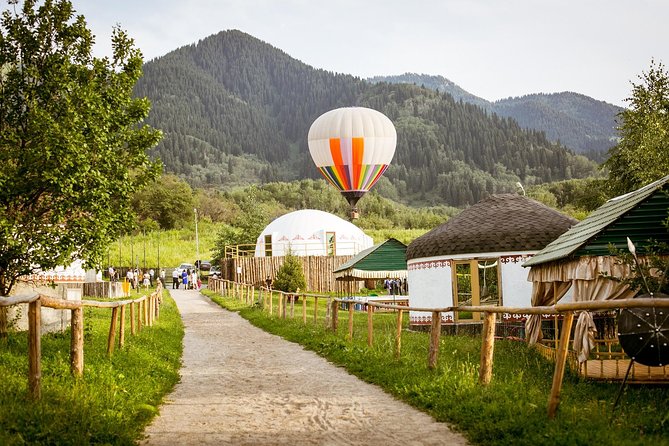
Your first stop is Gunny Ethnic Village, the heart of the Huns Ethno-village experience. This is where the tone is set. The site is built around traditional themes, so your first impression is not just seeing costumes. It is the rhythm of how activities are arranged: riding show, warrior-style performance, archery, then practical craft and food moments.
One reason I think this start works is pacing. You are not thrown into a single long lecture. Instead, you get visuals right away, and then the guide helps you connect the dots. In particular, yurt storytelling is part of the flow, so you can understand what a yurt represents beyond the photo.
Practical note: because it is an outdoor set-up, plan your expectations around “seasonal comfort.” In one rainy experience, blankets were provided, which is a nice detail because it means you are not just told to tough it out. If it rains and the day feels damp, that small kindness can make the difference between a miserable outing and a fun one.
Yurt storytelling and the nomadic lifestyle theme
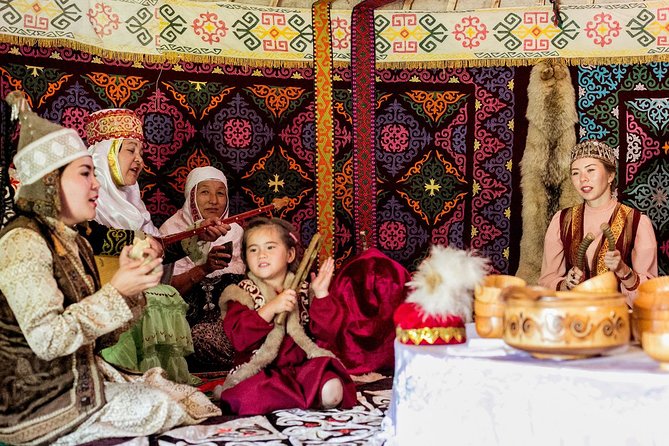
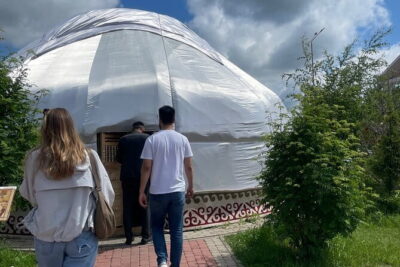
A big part of this outing is focused on daily life and cultural customs, not just staged action. Yurt storytelling is one of the highlights, and it helps you understand why nomads built their lives around mobility and practical living. Even if you do not know much about Central Asian steppe traditions, you can still follow the big ideas quickly: how people lived, how communities organized themselves, and why certain skills mattered.
I like that the yurt angle is not presented as a random prop. It becomes part of a narrative thread. You see performances and then you learn what they connect to. That helps the whole experience feel like more than a set of separate acts.
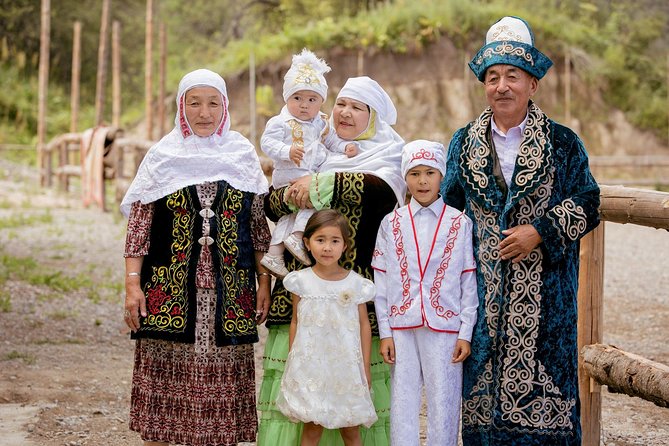
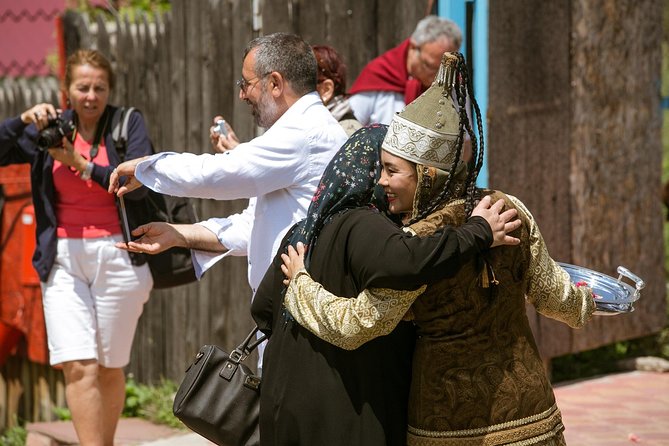
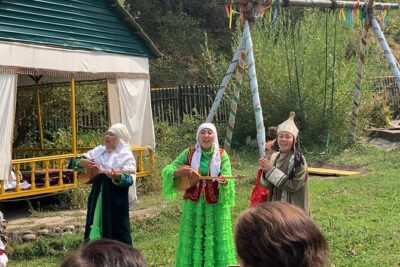
You are also in traditional attire and cultural customs performance territory during this first segment. The best moments tend to be when a guide explains the meaning behind what you are seeing, instead of just pointing and naming things. Guides like Nur Sultan are called out for being helpful and friendly, and for keeping things engaging even when you bring very young kids.
If you are traveling with a baby or toddler, that review detail matters. A 10-month infant was accommodated comfortably, which tells me the pacing is flexible enough for families, at least in typical conditions. Just bring the usual practical gear, like snacks and a way to keep your little one warm if the weather shifts.
Horse-riding tricks, warrior battles, and the “watch and try” mix
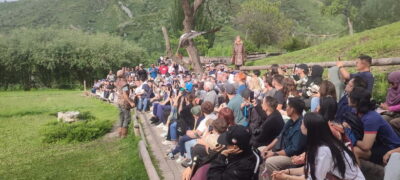
If you come to this tour for the adrenaline moments, you will get them. Expect a professional horse-riding tricks show and a breathtaking battle between warriors in armor. It is dramatic, and it is designed to be easy to follow even if you do not know the historical context. The purpose is cultural storytelling through movement.
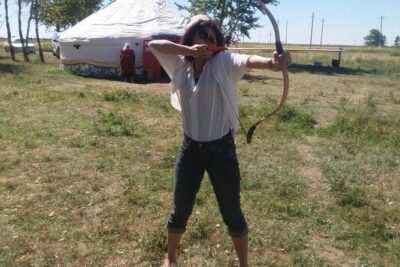
What makes it more than a “sitting in the stands” experience is that you also get chances to participate. Amateur horse riding for everyone is part of the program, along with archery. That shift from spectator to participant is what keeps the energy up for most people.
Here is the practical reality: participating in archery and riding may depend on how you are feeling and on the day’s setup. The tour notes say most travelers can participate, which is reassuring, but you should still consider your own comfort with basic physical activity. Plan for the possibility that you will spend some time standing in one spot and then moving between stations.
Also, if you care about photos, the guide support can really help. One review praised photo guidance during the day, which matches what you would want on a steppe setting where the best angles come from moving a bit, not just aiming your camera where you stand. I recommend you ask your guide where to stand for each main moment. It saves time and gives you better results without turning the day into a DIY photography mission.
Archery, crafts, and hands-on culture you can remember
The itinerary includes archery and crafts production, which is where the tour turns from “spectacle” into “skill and making.” Crafts production might be described differently depending on the day, but the point is the same: you see how traditional work is made visible for visitors, and you learn enough to place it in the culture.
Why this matters for you: crafts and archery help you connect to the practical side of nomadic life. Horse skills were essential, but daily survival also depended on making tools and materials. When you add a short workshop-style moment like crafts production, the experience gets thicker and more memorable.
Cooking simple national dishes and drinks like kumis rounds out this section. This is not about learning every recipe, but about tasting and understanding. Kumis, in particular, is a drink that often sparks curiosity. Even if you are new to it, tasting it as part of the day’s theme gives you an immediate connection to nomadic food culture.
One consideration: if conditions get rainy, you might miss an outside cooking event. In a documented rainy day, most events still happened, but an outdoor cooking moment was one of the parts affected. That is not a deal-breaker, but it is worth knowing so you can keep your expectations flexible if the weather looks iffy.
The outdoor lunch with mountain views
The day closes with an outdoor lunch and picturesque mountain views. This is not filler. Lunch gives you a break from performance intensity, and the setting helps you shift into “travel mode,” where you are just taking in the gorge scenery.
From a traveler perspective, this is the moment where value becomes more obvious. You are getting a built-in meal rather than having to plan another stop back in Almaty. And because the lunch is part of the broader experience, you do not feel like you are losing time to logistics.
If the tour is at its best, you will finish feeling like you saw more than shows. You will feel like you got a slice of a cultural system, from living spaces like yurts to daily skills and food customs. Even people who are skeptical of “tourist experiences” tend to soften after lunch if the views are clear and the day stays on track.
Price and logistics: is $147.87 worth it?
At $147.87 per person, this is not the cheapest half-day option from Almaty. The question is what you are actually buying.
You are paying for several things at once:
- A private tour setup for your group
- Hotel pickup (reducing friction)
- Admission ticket inclusion
- A guided program with multiple activities
- Outdoor lunch with mountain views
So the value depends on your travel style. If you like structured cultural experiences that blend performances, storytelling, and participation, the package can feel fair. The very strong rating and the high recommendation rate suggest many people feel they got a full cultural day out of it.
At the same time, one review called it expensive compared to what you get and noted it can feel very touristed. That criticism is useful because it reminds you to look for substance, not just scenery and costumes. If you personally care about authenticity in the sense of everyday life, you might prefer a different kind of experience. But if you want a concentrated cultural overview in a few hours, this tour is designed for that, and the organization seems to be a real strength.
My practical advice: treat it like a curated cultural program, not a spontaneous village visit. Go in expecting a structured schedule and multiple stations, and you will be much happier with the price.
Who this tour suits best (and who should skip it)
This tour suits you if you:
- Want a half-day cultural experience with hands-on moments (archery, amateur riding, crafts)
- Like horse-related performances and dramatic storytelling
- Prefer a private tour format with pickup, so the day feels easy
- Are traveling with family and want something that can keep attention, including for a baby or small child
You might skip it if you:
- Hate performance-heavy schedules and want quiet, unscripted sightseeing
- Are very price-sensitive for short outings
- Are unlikely to handle outdoor conditions, since the experience requires good weather
If you are on a tight Almaty itinerary, this is also a nice fit because it is a day-trip style outing with a clear start and finish. You get transport, guide, activities, and lunch without needing to plan each piece.
Weather, timing, and what to pack so you enjoy the day
The tour explicitly requires good weather. If it is canceled due to poor weather, you will be offered a different date or a full refund. That is reassuring.
But even if the tour runs, you should expect you might deal with rain or cold. In at least one case, blankets were provided when conditions turned rainy. Still, I recommend you bring:
- A warm layer you can add quickly
- A rain layer or compact umbrella
- Closed shoes with decent grip
- A small bag for water and any snacks you like
- Your camera, plus a willingness to move for better shots
Timing-wise, think of it as a compact adventure. You will not have hours to wander slowly. Instead, you will follow the guide from one station to the next, with shows and activities layered in. If you like variety and you are okay with an active pace, it will feel efficient. If you prefer long downtime, this might feel a bit busy.
Guides and the details that make it feel personal
One reason people seem to love this experience is the human layer. Guides like Nur Sultan get named for being amazing, for assisting guests well, and for being very helpful during the day. That matters because cultural activities can feel confusing if you only see the surface.
In practical terms, a good guide helps you:
- Understand what yurt storytelling is trying to convey
- Know what to pay attention to during the horse show and warrior battle
- Get the most from archery and other participation moments
- Find better photo spots without wasting time
If you want the day to click, take advantage of that. Ask questions, follow suggestions, and don’t be shy about saying you want more explanation. It is the type of tour where engagement pays off.
Should you book The Huns Ethno-village?
Book it if you want a concentrated cultural day trip from Almaty that mixes yurt storytelling, horse performance, and participation. The strong ratings make sense if you like interactive experiences where a guide explains what you are seeing, and if you value the included lunch and scenic setting. The private tour format also makes it easier to relax and enjoy rather than feel like one number in a big group.
Skip or consider alternatives if you are chasing a low-key, no-script kind of travel. This is a curated ethno-village experience with performances built into the schedule, and one concern raised is that it can feel touristed. Also keep the weather factor in mind, since outdoors is the whole point.
FAQ
How long is The Huns Ethno-village tour?
It runs about 5 to 6 hours, with the main activities lasting around 4 hours.
Where is the tour located?
The tour takes place in the Talgar gorge area near Almaty, Kazakhstan, at Gunny Ethnic Village, part of The Huns Ethno-village experience.
Is hotel pickup included?
Yes, pickup is offered.
Is this tour private?
Yes. It is a private tour, meaning only your group participates.
What activities are included?
You can expect a horse-riding tricks show, traditional customs and yurt storytelling, a warrior battle performance, archery, amateur horse riding, crafts production, and cooking simple national dishes and drinks like kumis.
Is admission included?
Yes. An admission ticket is included.
Is lunch included?
Yes. The tour ends with an outdoor lunch.
What is the price?
The price listed is $147.87 per person.
What happens if the weather is bad?
The experience requires good weather. If it is canceled due to poor weather, you will be offered a different date or a full refund.
What is the cancellation policy?
You can cancel for free up to 24 hours in advance for a full refund. If you cancel less than 24 hours before the start time, the amount paid is not refunded.
More Ethno Village and Nomad Culture Days
- Experience the Nomadic Lifestyle at ‘The Huns’ Ethno-village★ 4.5 · 25 reviews
- Big Almaty Lake with Horseback Riding Day Tour★ 5.0 · 21 reviews
- 3-Day Private Horseback Riding and Hiking Tour in Kolsay★ 5.0 · 14 reviews
- Medeu and Shymbulak + Big Almaty Lake and Falcon show (Private day-tour)★ 5.0 · 6 reviews
- Yurt Based Shymbulak 4-day ski-touring and split-boarding trip★ 5.0 · 5 reviews
- Horseback riding Tour★ 4.5 · 5 reviews
What we reviewed in Almaty most recently

Nomadic Culture and Ethno Villages, every option.
 ★ 4.5Experience the Nomadic Lifestyle at ‘The Huns’ Ethno-villageFrom $11625 reviews
 ★ 5.0Big Almaty Lake with Horseback Riding Day TourFrom $6921 reviews
 ★ 5.0Private Yurt Tour with Horses: Immerse into Kazakh CultureFrom $19916 reviews
 ★ 5.03-Day Private Horseback Riding and Hiking Tour in KolsayFrom $1,90014 reviews
 ★ 4.5Trip to Kazakh family of Eagle hunters in Astana (6 hours)From $29012 reviews
 ★ 4.1Falconry show and Big Almaty GorgeFrom $13010 reviews
 ★ 3.4Horseback Riding & Archery in Zaili Alatau MountainsFrom $487 reviews
 ★ 5.0Medeu and Shymbulak + Big Almaty Lake and Falcon show (Private day-tour)From $2186 reviews
This tour also sits in