
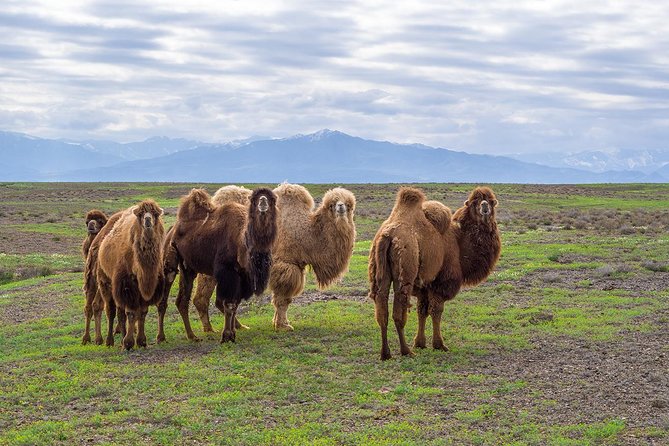
Reviewed · TOURS
The Silk Road tour of Kazakhstan
Ancient trade routes still leave fingerprints. I like that this trip connects Otrar, Turkestan, and Sauran into one logical arc, and I also like that you get smooth logistics with airport and hotel transfers plus admission fees handled. The only real drawback to consider is that it depends on good weather, so a poor forecast can mean date changes.
What makes this one feel practical is the pace and the group size. You travel with a small group (up to 12), the schedule starts in the morning, and you spend time where the ground itself tells the story: excavation areas, reconstructions, and ruined fortresses that explain how people lived and traded. If you prefer a purely city-shopping day, you may find this leans more archaeological than modern sightseeing.
In This Review
- Key highlights to look for
- Silk Road stops in Kazakhstan, starting and ending in Shymkent
- The 2-day format: a tight schedule that still tells a clear story
- Shymkent morning city tour and Ayna Bazaar for a real southern welcome
- Otrar’s excavation and the Farab trading oasis story
- Turkestan, Khoja Ahmed Yasawi, and the UNESCO complex you cannot miss
- The intimate ruins of Sauran and the Ak Horde connection
- Shymkent wrap-up day, with time back in the city
- Transportation, transfers, and a guide who can connect the dots
- Price and value: what $347 covers in real travel terms
- Weather and timing tips that can save your day
- Who this Silk Road tour suits best, and who might prefer another plan
- Should you book the Silk Road tour of Kazakhstan?
- FAQ
- Where does the Silk Road tour take place?
- How much does the tour cost?
- How long is the tour?
- What time does the tour start?
- How many people are in the group?
- Is pickup included?
- Are airport and hotel transfers included?
- Are entry fees included?
- Is the tour refundable if I cancel?
- What if the weather is bad?
Key highlights to look for
- A small group, up to 12 people, which usually means more time with your guide
- All entry fees included, so you are not juggling tickets at each site
- Hodja Ahmed Yasawi complex in Turkestan, a UNESCO-listed highlight
- Otrar (Farab) excavation site, a major Silk Road trading center
- Sauran fortress ruins, tied to the Ak Horde period
- Shymkent and Ayna Bazaar, your first taste of southern Kazakhstan daily life
Still choosing? These are other tours in Shymkent that we have reviewed.
Silk Road stops in Kazakhstan, starting and ending in Shymkent
This tour is built around the idea that the Silk Road was not one single road. It was a network of towns where merchants, artisans, and rulers left physical traces you can still see today. The route you follow makes that connection clear, from Otrar’s long-running trading role to the spiritual importance of Turkestan and the defensive, strategic feel of Sauran.
Starting and ending in Shymkent also helps you keep the trip realistic. You do not waste hours with complicated inter-city transfers arranged on your own. Instead, the plan is centered on one base, with guided visits that feel like chapters rather than random stops.
You are paying for the places most people cannot easily piece together on their own in two days. In that sense, the value is not just the sightseeing, it is the structure: pickup, transfers, lodging, and tickets are handled so you can focus on the sites.
The 2-day format: a tight schedule that still tells a clear story
This is about two days, and the day structure is straightforward. The first day opens with Shymkent and the market atmosphere, then shifts into the archaeology of Otrar. The second day moves to Turkestan for the main UNESCO complex, then continues to the ruined city-fortress of Sauran before returning to Shymkent.
Is it rushed? It can feel full, because you are seeing multiple different types of places. That said, each stop has a defined time block, so you know what you are getting and you are not stuck waiting around.
The smart tradeoff here is depth over sprawl. You spend time where the tour can explain context: why Otrar mattered, why Turkestan became a religious magnet, and why Sauran’s walls and location mattered. If you love “how did this work” history, this format fits well.
Shymkent morning city tour and Ayna Bazaar for a real southern welcome
You arrive in Shymkent in the morning and connect with your guide. The first layer is simple city orientation. Shymkent is the third-largest city in Kazakhstan by population, and the tour uses that starting point to help you get your bearings fast, before jumping into ancient sites.
Then you head to Ayna Bazaar, the southern market stop. This is not there as a decorative break. It is there because markets are part of how Silk Road culture lived on into everyday life: trading, bargaining, and buying practical goods. Even in a modern city, you can often read regional identity in what people sell and how the stalls are set up.
Time matters here. The market stop is brief, so you should treat it as a vibe check. If you want to buy souvenirs, plan to do it efficiently and keep cash or card ready, since you may not have a long window to browse.
What I’d watch for as a practical traveler: market stops can be crowded at peak times. Go in with comfortable shoes and a flexible mindset. You are there to observe and absorb, not to win a shopping marathon.
Otrar’s excavation and the Farab trading oasis story
The afternoon focus of day one is the Archaeological Site of Otrar, also known as Farab. This was a major commercial oasis on the Great Silk Road, active from roughly the 1st century BC through the 15th century AD. Otrar is the kind of place where history is not only in plaques, it is on the ground.
The tour time here is long enough to be meaningful. You get about two hours at the site, with the entry fee included. That time window helps you do more than “walk and glance.” You can slow down, look at excavations and reconstructions, and listen for how the guide ties trading activity to real features of the settlement.
One key consideration: archaeological sites can vary in what they physically feel like depending on where excavations are concentrated. Some areas may look like lots of earth and stone rather than dramatic monuments. If you prefer iconic buildings, this might feel less dramatic at first. But if you like understanding how people built, traded, and organized an oasis town, Otrar is a strong choice.
If you want the best experience here, ask your guide how the site functioned as a trading center, and how its timeline helps explain what you see today. A good guide makes the layers click.
Turkestan, Khoja Ahmed Yasawi, and the UNESCO complex you cannot miss
Day two starts with Turkestan and the Mausoleum of Khoja Ahmed Yasawi. This is one of Kazakhstan’s most famous UNESCO world heritage sites, so it carries both religious and cultural weight far beyond a single visit.
The tour block here is about two hours, with admission included. That is a good length for a site like this because you get time to understand layout and significance, rather than just pass through. You are also not guessing what is important. The tour targets the main sightseeing first, so you leave with a clear sense of what makes the complex special.
Why this stop matters for your Silk Road perspective: trade routes moved people, but they also moved ideas. Turkestan’s prominence shows how a city could become a spiritual destination as well as a stop on long-distance exchange.
A practical note: religious sites often have rules about dress and behavior. You should expect to cover up appropriately and keep your pace respectful. Even if the tour is guided, you will still want to be ready for on-site guidelines.
The intimate ruins of Sauran and the Ak Horde connection
After Turkestan, you transfer to the ancient city-fortress of Sauran. This stop is shorter, around one hour, but it is focused. The ruins you see reflect a strategic trading city that was important from the 12th to 18th centuries, and it was tied to the Kazakh-Mongol khanate period, including being a capital of Ak Horde from the 12th century to the 16th century.
The “intimate ruins” part is the point. Sauran is about atmosphere and structure, not comfort. You will likely spend time looking at remnants that help explain defense and settlement life.
What can be a drawback: one hour is not long if you love archaeology. If you want to linger, you may have to use your time wisely, focusing on the elements your guide points out. If you are the type who likes to take lots of photos, be mindful that you still need time to listen and understand the site, not just capture it.
Still, for a two-day trip, Sauran gives you contrast. You go from a UNESCO spiritual complex to a ruined fortress that tells a different kind of story, one of strategy, power, and long-distance connections.
Shymkent wrap-up day, with time back in the city
After Sauran, the tour returns you to Shymkent, with a longer window back in town. This is where you can reset, eat, and handle any last-minute shopping or questions you have after seeing the major sites.
You get about five hours on the Shymkent segment. That is enough time to find a meal and consider what you want to do next with your remaining day, without rushing back immediately to the airport.
If you have flight plans later that evening, plan buffer time. Even with transfers included, cities move at their own speed. Use this window to recharge rather than pack in extra attractions you do not have time to enjoy.
Transportation, transfers, and a guide who can connect the dots
One of the biggest reasons this tour works is the logistics layer. The package includes accommodation and transport, plus airport and hotel transfers. For many travelers, that is the difference between a smooth trip and one where you waste energy figuring things out.
You meet at 10:00 am, and the plan starts promptly. The tour is designed for people who want to show up, be guided, and not spend their first hours negotiating local details.
The group limit of 12 travelers matters, too. In a small group, your guide can slow down and answer questions. The reviews strongly praise the guide’s English and helpful explanations, and that matters here because archaeology is easier to enjoy when someone can translate what you are looking at into a clear story.
What I would do if I were planning for this: come with a short list of what you most want to learn. Silk Road trade, city life, religious routes, or the Ak Horde era. Then you can steer your attention during each stop.
Price and value: what $347 covers in real travel terms
At $347 per person for roughly two days, you are paying for more than the guided visits. The package includes accommodation, airport and hotel transfers, and all entry fees. It also includes a mobile ticket, and the provider offers group discounts.
Here is how that adds up in practical terms. Two days of guided entry fees alone can become surprisingly expensive, especially when you are visiting UNESCO-style sites. Add in transfers, and you also avoid the common hidden costs of separate taxis and bus rides. Accommodation inclusion helps you keep the overall budgeting simpler.
The value is best if you want structure. If you were to build the trip on your own, you would still spend time arranging transport, figuring out which sites are worth the effort, and tracking admission costs. This tour packages those decisions into one plan.
Potential drawback in value terms: if you only care about one or two sites, a full two-day archaeology itinerary might feel like more than you need. But if you like seeing connected parts of a story, the cost makes more sense.
Weather and timing tips that can save your day
The tour notes that it requires good weather. That is important for archaeological sites and ruins, where walking conditions and visibility matter. If forecasts look iffy close to departure, stay flexible.
You are starting at 10:00 am, which helps. It means you can arrive the morning of day one and not lose half a day to late starts. Still, start thinking about what you will wear for walking between sites and potentially over uneven ground.
Bring basics that make long site days easier: comfortable shoes, a hat or sun protection, and a light layer if temperatures swing. You do not need to overpack, but you should travel like you expect real outdoor time.
Finally, keep your expectations aligned with what the tour is. This is not designed to be a museum-and-cafe marathon. It is designed to connect the Silk Road across cities and ruins, using guided explanation to tie it together.
Who this Silk Road tour suits best, and who might prefer another plan
This tour is a strong fit if you:
- Love history that you can see on the ground, not just read in a book
- Want a guided route that connects Otrar, Turkestan, and Sauran into one narrative
- Prefer small groups and clear, fluent guide explanations
It may feel less ideal if you:
- Want mostly modern city sights and long free time for independent exploring
- Dislike archaeological sites that can look subtle at first glance
- Need a highly relaxed schedule with lots of open hours for optional stops
In short, it is built for people who enjoy guided context and are comfortable with a structured two-day plan.
Should you book the Silk Road tour of Kazakhstan?
If you want a concentrated Silk Road experience without the hassle of piecing together logistics, I think you should seriously consider booking. The biggest wins are the included transfers and accommodation, the entry fees taken care of, and the strong guide performance highlighted by reviews, especially for English clarity and explanations.
I would book it if your priority is understanding how these cities fit the Silk Road story, from trading power at Otrar to the religious draw of Turkestan and the strategic role of Sauran. If you only want casual browsing or you are extremely weather-sensitive, you may want to compare options, since the tour depends on good conditions.
FAQ
Where does the Silk Road tour take place?
The tour takes place in Shymkent, Kazakhstan, with visits to sites including Otrar and Turkestan, and a stop at Sauran.
How much does the tour cost?
The price is $347.00 per person.
How long is the tour?
The duration is about 2 days.
What time does the tour start?
The start time is 10:00 am.
How many people are in the group?
The tour has a maximum of 12 travelers.
Is pickup included?
Yes, pickup is offered.
Are airport and hotel transfers included?
Yes. Airport and hotel transfers are included.
Are entry fees included?
Yes. All entry fees are included.
Is the tour refundable if I cancel?
You get free cancellation, and you can cancel up to 24 hours in advance for a full refund.
What if the weather is bad?
The experience requires good weather. If it is canceled due to poor weather, you will be offered a different date or a full refund.
More Reviewed Tours Around Shymkent
- From Shymkent: Turkestan and Otrar Day Tour with Guide★ 5.0 · 6 reviews
What we reviewed in Shymkent most recently
Tours, every option.
 ★ 5.0Kolsai, Kaindy Lakes and Charyn Canyon Small-Group TourFrom $58642 reviews
 ★ 5.0Kolsai Kaindy Lakes with Charyn Canyons 2-day tourFrom $130392 reviews
 ★ 5.0Kolsai Kaindy Lakes with Charyn Canyons Day Tour (lunch included)From $57292 reviews
 ★ 4.8Kolsai & Kaindy Lakes with Charyn Canyon Day TourFrom $57198 reviews
 ★ 4.52-Day Tour to Kolsai-Kaindy Lakes and Charyn CanyonFrom $105196 reviews
 ★ 4.8Lake Issyk with Turgen Waterfall Day TourFrom $32127 reviews
 ★ 4.8Big Almaty Lake Roundtrip Transfer and TourFrom $69110 reviews
 ★ 4.3Big Almaty Lake Tour with Optional HikeFrom $69109 reviews