
Reviewed · GUIDED
From Shymkent: Turkestan and Otrar Day Tour with Guide
Otrar and Turkestan are the kind of places that make history feel physical. I love the combo of Otrar ruins and the spiritual stops around Ahmed Yasawi’s complex, and I also like how the day is paced with a real guide who can explain what you are seeing on the spot, including guides like Islam and Daulet. One catch: it is a full 9-hour push with long drives, so the day can feel tiring in hot weather if you are not used to being on the road.
You will be picked up in Shymkent and taken in a private van, with a live guide available in multiple languages. That private transport matters here because the sites are spread out, and you get less guessing and more time actually looking at the monuments.
In This Review
- Key Highlights You Should Care About
- A Silk Road Day Trip from Shymkent That Feels Like Two Centuries
- Meeting in Shymkent, Then Living On the Road (Private Van Included)
- Otyrar District First: Arystan Bab Mausoleum and Sufi Connections
- Otrar Ruins: Seeing a Silk Road Center in Real Life
- Driving to Turkestan: The Day Shifts From Ruins to Monumental Architecture
- Turkestan Ethno-Village and Azret-Sultan Museum: Start With the Context
- Ahmed Yasawi’s Mausoleum Area, Rabia Sultan Begim, and the Bath
- Hilvet Underground Mosque and the Fortress Wall Citadel
- Visit Center Turkistan and the Carpet Museum: Art With a Practical Angle
- Karavansaray Complex: The Big Show Stage of the Day
- Free Time, Shopping, and the Fountains Show
- What the Guide Actually Adds: Islam and Daulet as Examples
- Price and Value: Is $160 per Person Fair?
- What to Pack, and Why Comfort Matters Here
- Who This Tour Fits Best, and Who Should Rethink It
- Should You Book This Tour?
- FAQ
- What time do we meet in Shymkent?
- How long is the tour?
- How far is Shymkent to Otyrar district?
- What do we see in Otyrar district?
- How long is the drive to Turkestan, and what’s included there?
- Is the tour guided the whole time?
- What optional activities are available in Karavansaray?
- Are entrance fees and transport included?
- Is water included?
- What languages is the guide available in?
- Is it wheelchair accessible?
- Is there a cancellation policy and a pay later option?
Key Highlights You Should Care About
- Otrar’s Silk Road story made simple with guided stops and time for photos in the ruins area
- Khoja Ahmed Yasawi and Arystan Bab mausoleums in one day, with guide context for Sufi traditions
- Turkestan’s major monuments in sequence, from the ethno-village to Azret-Sultan Museum and the underground mosque Hilvet
- Karavansaray complex experiences are optional, including Altyn Samruk 8D cinema and gondolas
- A real free hour to shop and reset, so you are not stuck rushing through everything
Still choosing? These are other tours in Shymkent that we have reviewed.
A Silk Road Day Trip from Shymkent That Feels Like Two Centuries

This tour is built for people who want a high-impact day without the stress of figuring out transport between distant sites. You start in Shymkent, spend time around Otrar in the Otyrar district, then continue to Turkestan for the big architectural and cultural sights. It is a classic South Kazakhstan route: step back into the old Silk Road world, then shift to the grand mausoleum-and-complex era that shaped Turkestan’s identity.
The best part is not just that you visit famous places. It is that the day is structured so your guide can connect the dots: trade routes, Sufi spirituality, and how the region’s power and culture changed over time. If you like learning in the real setting, this format works.
Meeting in Shymkent, Then Living On the Road (Private Van Included)
Your day starts at 9:00 in the hotel lobby in Shymkent. You then transfer to the Otyrar district, about 240 km and roughly 3 hours. After that, you shift again to Turkestan and later head back to Shymkent for the final stretch, around 160 km.
Private transport is a real value here because you are not hopping between group pickups or waiting for delayed connections. Still, plan for a long day. Expect a lot of time in the van, plus walking at sites and sun exposure. If you are sensitive to heat or tiredness, bring the right clothing, hydrate early, and pace yourself during photo stops.
Otyrar District First: Arystan Bab Mausoleum and Sufi Connections
Once you arrive in the Otyrar district, the first major cultural stop is the mausoleum of Arystan Bab, a legendary spiritual teacher associated with Sufi traditions. The site is tied to the spiritual history of Otrar, Sairam, and Turkestan (Yasy). Your guide frames why this matters, so you are not just looking at architecture, but also the meaning attached to it.
In practical terms, this is a good early stop because it is structured for a guided visit, not just a drive-by. You get your bearings and a quick historical anchor before the more open-ended feeling of ruins.
What I like about this sequence is that it sets an emotional tone. Otrar ruins can feel quiet and mysterious. Arystan Bab gives you cultural context first, so the ruins do not come out of nowhere.
Otrar Ruins: Seeing a Silk Road Center in Real Life
After Arystan Bab, you tour the ruins of the Otyrar settlement. Otrar is remembered as a key point on the Great Silk Road. Today, you are left with grand ruins that hold historical details and unanswered questions.
This is the part of the day where your guide’s storytelling becomes your “map.” Ruins are visual, but they are not always instantly clear. With a guide, you learn what the place likely represented, why Otrar mattered in trade networks, and what daily life on the edge of major routes could have involved.
Photo stop time is built in, and you will likely want to pause often. The ruins area gives that classic “how did people build here” feeling. Just remember that Otrar is not a museum hall. Wear comfortable shoes, and keep your camera ready, because the visuals can be dramatic even when you are not looking for something specific.
Driving to Turkestan: The Day Shifts From Ruins to Monumental Architecture
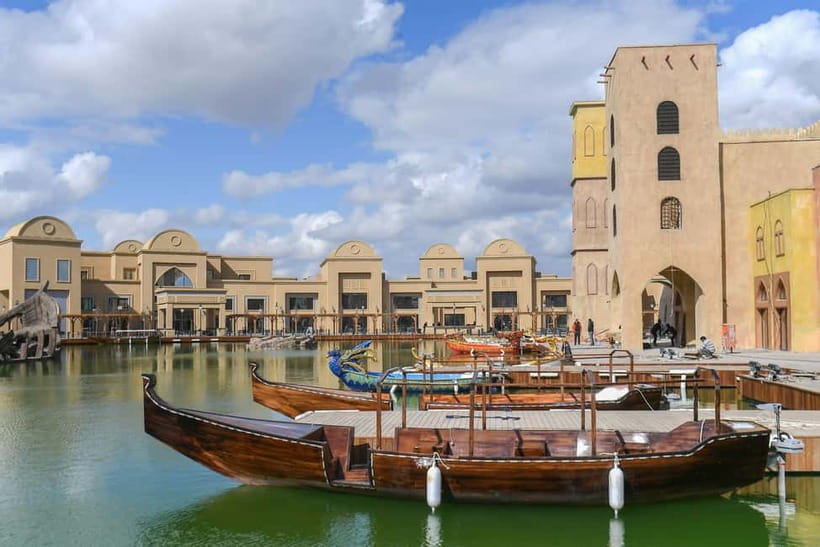
Next comes the transfer to Turkestan. This is your transition from the more archaeological side of the day into a place known for major mausoleums, museum spaces, and connected architectural structures.
This shift is part of the tour’s strength. Many day trips overload one theme, like ruins only, or mausoleums only. Here you get variety, and your energy has a chance to adjust. If you like travel that mixes atmosphere and facts, you will probably enjoy this rhythm.
Turkestan Ethno-Village and Azret-Sultan Museum: Start With the Context
Turkestan’s excursion begins with a visit to the ethno-village of the city. Then you head to the Azret-Sultan Museum. After that, the tour centers on the mausoleum complex, including the mausoleum of H.A. Yasawi and other important nearby structures.
These early stops help you understand why Turkestan is treated as more than a stop on a route. It is a cultural anchor. The ethno-village gives you a sense of how local identity is presented. The museum helps you process what you are about to see next, which is important because the complex is not just one building. It is a connected set of sites with different functions and meanings.
If you are the type who likes to know what you are looking at before you reach the big highlight, this order works.
Ahmed Yasawi’s Mausoleum Area, Rabia Sultan Begim, and the Bath
You then visit the mausoleum of H.A. Yasawi. This is one of the core reasons people plan a day here, and your guide brings the spiritual and historical background so it feels purposeful rather than ceremonial.
From there, the tour includes the mausoleum of Rabia Sultan Begim and visits linked to everyday-life architecture, including the eastern bath. This matters because it makes the day feel less like a parade of landmarks and more like a full picture of how communities lived, worshiped, and maintained routines.
One practical note: the more structures you visit, the more you will want lightweight layers. In strong sun, shade can be limited, and you will be outside between visits.
Hilvet Underground Mosque and the Fortress Wall Citadel
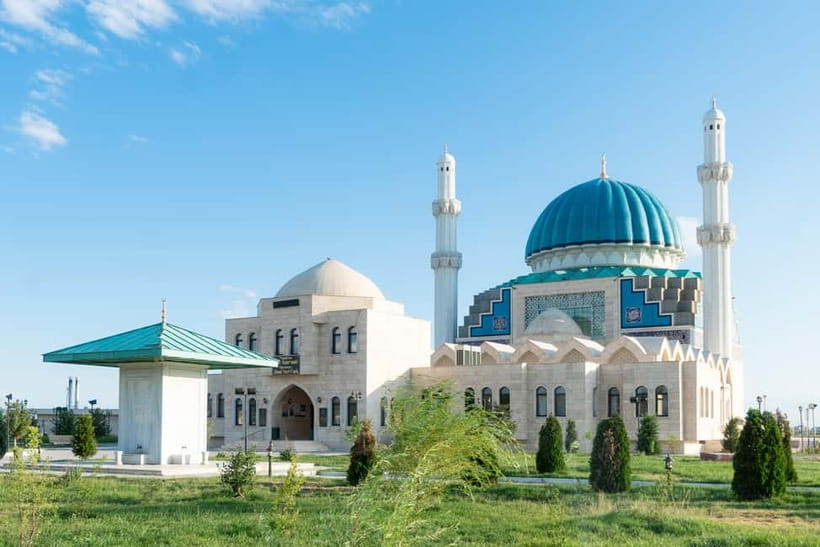
One of the more distinctive stops is the underground mosque, Hilvet. Underground spaces tend to change the feel of a visit. Even if you only spend a short time there, it gives you that “this was designed for a reason” sensation.
You also visit the citadel of the fortress wall area. This adds a layer of defense and power to the story. It is one thing to focus on spirituality and art. It is another to also see how the settlement’s layout likely protected people and institutions.
If your brain likes patterns, these stops help. You start connecting: spirituality on one side, architecture and community planning on the other.
Visit Center Turkistan and the Carpet Museum: Art With a Practical Angle
The tour includes a visit to the Visit Center Turkistan and the carpet museum. This is where the day becomes more hands-on in a different way. You get a cultural object that is not just decorative. Carpets often carry regional styles, craft traditions, and symbolism, and your guide can explain what you are seeing.
This kind of stop is also a good break from open-air walking. Even if you are not a “museum person,” a carpet museum can be easier to enjoy because you can focus on details visually.
Karavansaray Complex: The Big Show Stage of the Day
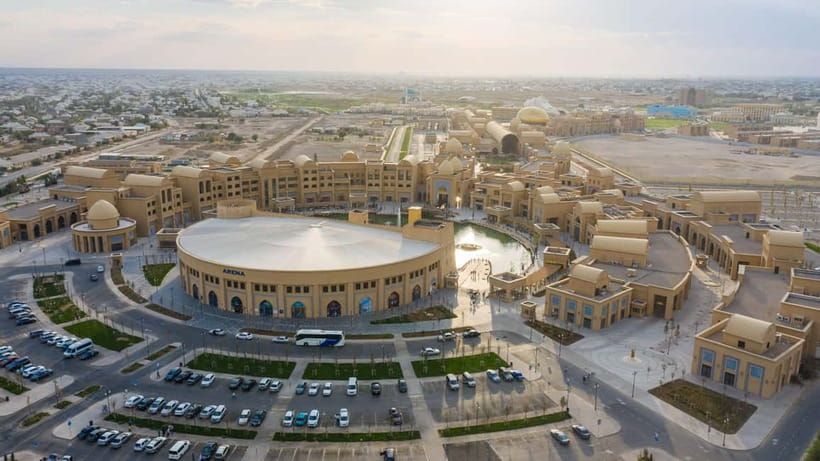
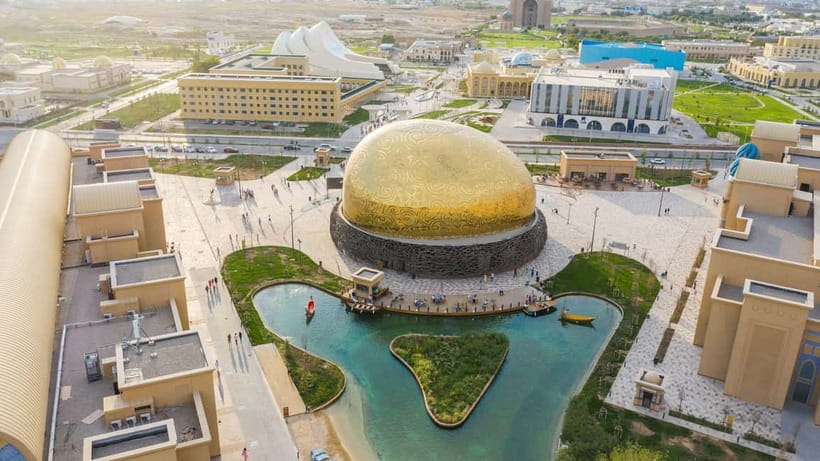
After the museum and monument sequence, you reach Karavansaray, described as the largest tourist complex in Central Asia. This is where the day adds entertainment elements alongside history. You enter an atmosphere designed for storytelling of Kazakhstan’s culture and memory.
There are optional experiences here, which is a smart choice on this tour. If you want a cinematic add-on, there is the 8D cinema called Altyn Samruk. If you prefer something lighter and outdoorsy, you can ride the gondolas.
I like that this is optional. That means you can match the experience to your energy level instead of being forced into a one-size-fits-all activity.
Free Time, Shopping, and the Fountains Show
The schedule also includes a photo stop and about an hour of free time. That is your window for shopping and casual walking. If you have been moving steadily through monuments, this break matters. It also helps you avoid the classic “everything was interesting but my feet are done” problem.
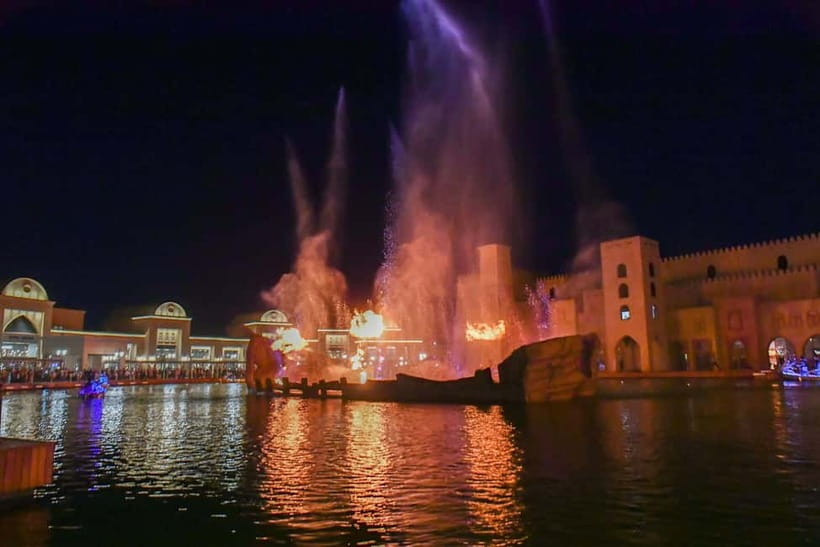
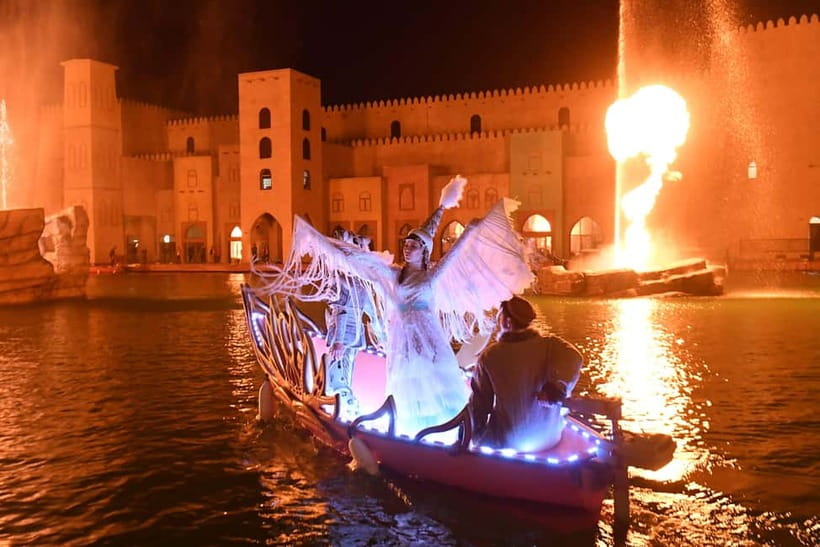
Later, you can watch the theatrical show of fountains called Kyz Zhibek and Tolegen. This adds a performance piece to the day, so you finish with something more emotional and less informational.
If you care about timing, plan to be back ready where you last joined the group before the fountains portion, because the show is scheduled and you do not want to arrive late after spending free time shopping.
What the Guide Actually Adds: Islam and Daulet as Examples
The tour is built around guided sightseeing, and the guide quality is a big reason people recommend it. Guides like Islam and Daulet are praised for being professional and for making history feel alive, not like a memorized script.
Two specific strengths stand out in how guides handle the day:
1) They explain what you see, so ruins and mausoleums stop being just landmarks.
2) They adjust the pace when needed. One example mentioned is accommodating an older mother, which matters because it can mean fewer rushed transitions and more comfort.
Also, guides can help with practical choices. One person noted a helpful lunch moment recommendation, which is a small thing until you realize it can save you from a poor meal choice.
Price and Value: Is $160 per Person Fair?
At $160 per person for a 9-hour private-group day trip, the price is not “cheap,” but it can be fair value if you look at what you get.
You are buying:
- Private transportation between Shymkent, Otyrar district, and Turkestan
- Guided visits at multiple major sites, with entrances included
- A full-day structure so you do not spend your time planning, booking tickets, or negotiating transport between stops
- Water 1 liter per person, which is genuinely helpful in hot conditions
If you compare this to paying for transport plus guides separately, it often makes more sense. And if you are traveling with someone who needs a slower pace or clearer explanations, the guide component becomes even more valuable.
That said, consider the time commitment. You are paying for a long day, so if you prefer shorter outings or you hate long drives, you might feel the cost more than the benefits.
What to Pack, and Why Comfort Matters Here
This tour is outdoors-friendly, with multiple walking segments and plenty of sun exposure. Bring:
- comfortable shoes
- a hat
- sunscreen
- a long-sleeved shirt and long pants
- a camera
Also bring a small water habit mindset. You get water 1 liter per person, but you will still want to sip regularly rather than saving it all for later.
One more comfort tip: use a light layer system. Even if Turkestan feels warm, shaded areas and transition moments can feel cooler, especially if you are moving between open sun and indoor spaces.
Who This Tour Fits Best, and Who Should Rethink It
This is a strong match for history lovers who enjoy guided context and for travelers who want a complete day package. It also works well for people who want private transport and a guide that speaks multiple languages, since you can pick a style that fits you.
It is not suitable for wheelchair users, based on the tour’s information.
If you are traveling with limited mobility, the tour can still be managed for some people if your guide can adjust the pace, but you should think carefully. Walking time and the general nature of mausoleums and ruins can make movement tricky.
Should You Book This Tour?
I think you should book it if you want a structured day that connects the Silk Road past (Otrar ruins) with Turkestan’s monumental culture (Yasawi complex and related sites), all with private transport and a guide who can explain what you are seeing. It is especially worth it if you value interpretation over wandering alone.
Skip it or rethink if you dislike long driving days or you know you struggle with heat and walking. For the right traveler, this is a practical way to pack meaningful South Kazakhstan history into one day without turning it into a logistics headache.
FAQ
What time do we meet in Shymkent?
You meet at 9:00 in the lobby of your hotel in Shymkent.
How long is the tour?
The tour lasts 9 hours.
How far is Shymkent to Otyrar district?
It is about 240 km and takes around 3 hours by van.
What do we see in Otyrar district?
You visit the Arystan Bab mausoleum area with a guide and then tour the ruins of the Otyrar settlement.
How long is the drive to Turkestan, and what’s included there?
After Otyrar, you depart to Turkestan. The Turkestan part includes visits to places such as the ethno-village, Azret-Sultan Museum, the mausoleum of H.A. Yasawi, Rabia Sultan Begim, the eastern bath, Hilvet (the underground mosque), the fortress wall citadel, the Visit Center Turkistan, the carpet museum, and Karavansaray.
Is the tour guided the whole time?
There is a live tour guide and guided sightseeing at multiple parts of the day, including key sites.
What optional activities are available in Karavansaray?
Options include the 8D cinema Altyn Samruk, gondola rides, and watching the fountains show Kyz Zhibek and Tolegen.
Are entrance fees and transport included?
Yes. Entrance fees to museums, mausoleums, and other sights are included, along with transport throughout the tour.
Is water included?
Yes, 1 liter of water per person is included.
What languages is the guide available in?
The guide is available in Russian, English, Kazakh, Turkish, French, and Spanish.
Is it wheelchair accessible?
No, it is not suitable for wheelchair users.
Is there a cancellation policy and a pay later option?
Free cancellation is available up to 24 hours in advance for a full refund, and there is a reserve now & pay later option.
More Reviewed Tours Around Shymkent
- The Silk Road tour of Kazakhstan★ 5.0 · 3 reviews
What we reviewed in Shymkent most recently
Guided, every option.
 ★ 5.0Astana City Tour: Explore Night City with a Certified GuideFrom $4990 reviews
 ★ 4.2Guided Bar Crawl with ShotsFrom $3143 reviews
 ★ 5.0Back to USSR Gulag Museum with Certified GuideFrom $16514 reviews
 ★ 4.8Astana City Tour: Certified Guide+Winetasting+All InclusiveFrom $12914 reviews
 ★ 5.06-Day Kazakhstan Ridder Camp Ski Private Guided Tour and AdventureFrom $1,09411 reviews
 ★ 4.5Almaty Private Guided Walking Tour With A Guide (Private Tour)From $549 reviews
 ★ 5.0Guided Night Time Tour of Astana in a Private CarFrom $648 reviews
 ★ 4.0Guided Walking City Tour in AlmatyFrom $605 reviews